
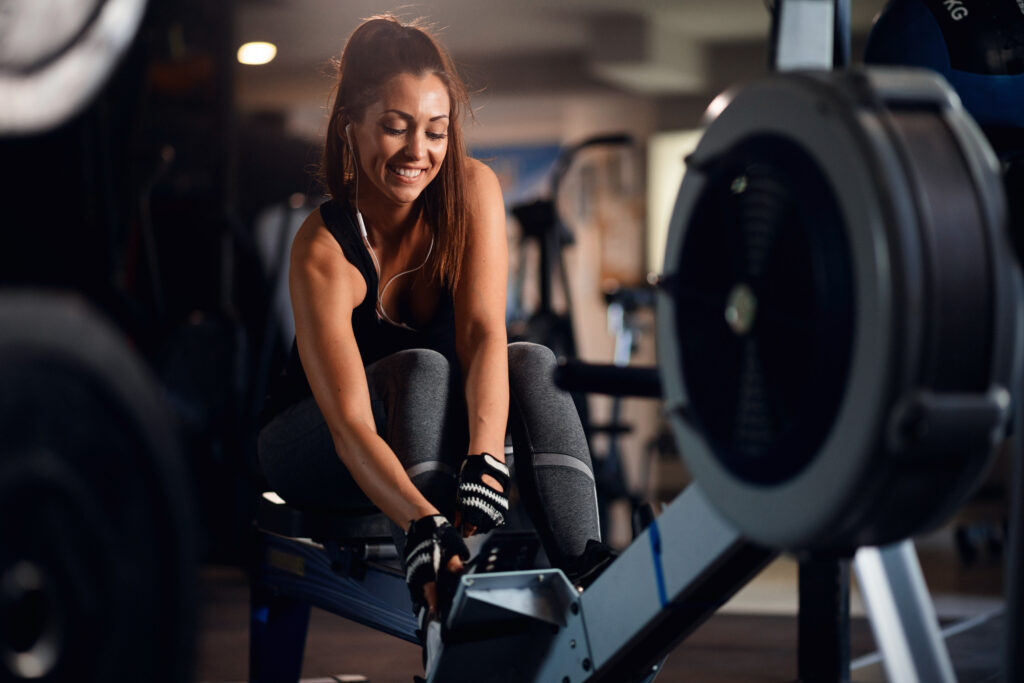
Introduction: The Importance of a Well-structured Gym Workout Plan
A well-structured gym workout plan is essential for anyone serious about achieving long-term fitness success. According to research published on PubMed, such plans promote consistent, goal-driven training while minimizing the risks of injury and muscular imbalance. Without a proper plan, you’re more likely to wander aimlessly through different machines or stick to exercises you’re already comfortable with, leaving critical muscle groups undertrained.
Structured plans also cultivate gym confidence, especially for newcomers. Instead of feeling lost among rows of machines, you’ll know exactly which exercises to perform—and in what order—making each visit to the gym more productive and less stressful (PMC). Plus, with a diversified plan, you’re more apt to explore machines and exercises that target different muscle groups, providing well-rounded results and avoiding plateaus.
If you’re unsure how to begin, the Jefit app is a valuable resource. It offers tailored workout routines, extensive exercise libraries, and real-time tracking, helping guide your fitness journey with confidence. Want more tips to stay on course? Check out this article on how to get your gym motivation back.
Section 1: Understanding Your Fitness Goals
The foundation of any effective workout plan is a clear understanding of your fitness goals. Begin by defining what you’re trying to achieve: weight loss, muscle gain, improved endurance, flexibility, or overall health. Once you’ve established that, narrow it down. For instance, instead of saying “I want to lose weight,” aim for “I want to lose 10 pounds in 3 months.”
Next, set a realistic timeline to stay motivated and accountable. Ensure you track your progress continuously to evaluate what’s working and where adjustments are needed. Tools like Jefit simplify this process with configurable workout logs and analytics.
When choosing supplementary tools, match them with your goal orientation. For instance, MyFitnessPal focuses more on dietary goals while JEFIT stays gym-centric with over 1,300 exercises and advanced tracking features. Compare both to find your best fit—or read our breakdown of common fitness myths to see which tool aligns better.
Section 2: Beginners Guide to Gym Machines
Starting your gym journey can be overwhelming, especially with the wide array of machines designed for specific muscle groups. However, machines can and should be your entry point into strength training. They reduce complexity and help build confidence for beginners by offering controlled, guided movements (Self).
One of the most easily approachable machines is the Smith Machine. Great for performing squats, it improves leg strength and hip mobility while reinforcing core stability and joint health (Eat This).
Pressing machines like the Chest Press are also beginner-friendly and provide a full push-movement workout that targets the chest, shoulders, arms, and core. Don’t forget to include pulling movements for muscular balance. As confidence grows, consider integrating dumbbells into your routine. These allow for natural range of motion and can deliver a full-body workout in as little as 20 minutes (Women’s Health).
Still unsure? Follow one of the many detailed beginner strength training routines Jefit offers to create an effective machine-based workout pathway.
Section 3: Implementing Full-body Workouts in Your Plan
Full-body workouts shine in their efficiency and well-rounded approach. They are especially effective for gym-goers with limited time and for beginners looking to build foundational strength and muscular coordination. These routines target multiple muscle groups and movement patterns, often incorporating both machines and free weights, giving maximum output in minimal time (Self).
Consider starting with weight machines that offer simplicity and guidance. Then, progress to dumbbells for increased range of motion and stabilization benefits. Time-strapped? Try the widely recommended 20-minute dumbbell routine that hits every major muscle group and ramps up conditioning (Women’s Health).
A great way to keep variety in your full-body sessions? Explore movement-based workouts and track your sets in JEFIT for continual improvement. For additional guidance, check out our list of popular HIIT workouts that complement full-body sessions.
Section 4: Exploring Strength Moves to Build Muscles After 40
Muscle development after age 40 requires a nuanced approach—but it’s entirely achievable. Start with weight machines to ease joint impact while building strength and coordination (Self).
As strength builds, diversify with dumbbell exercises that mix tempo and compound movements. These not only increase time under tension but also enhance body composition. In just 20 minutes, you can perform a workout that delivers lasting results (Women’s Health).
Older adults are actually encouraged to focus more on traditional strength moves like squats and push-ups, which build more muscle mass than machine alternatives according to Eat This. These exercises support joint integrity, back stability, and whole-body strength.
Need variety? Check out this Jefit guide to overcoming muscle growth plateaus to ensure continuous progress in your 40s and beyond.
Section 5: Tracking Your Progress with Jefit
Tracking your workout data isn’t just about numbers—it’s about gaining insights into your fitness performance. Jefit simplifies this process with a suite of tools designed to make tracking both accurate and motivating.
1. Personalized Training Plans: Choose from beginner to advanced level plans. Each step is guided, avoiding guesswork and maximizing results.
2. Comprehensive Exercise Library: With more than 1,300 animated exercises, you’ll always have options, eliminating boredom from your training.
3. Real-Time Workout Tracking: Record sets, reps, and weights with ease. Integrated timers help you manage rest intervals for optimum intensity.
4. Workout Analytics: Jefit turns numbers into visuals. Weekly and monthly summaries offer digestible insights to gauge your progress and spot patterns.
5. Community Features: Jefit connects you with a global fitness community for support, inspiration, and accountability.
Want to leverage analytics further? Learn how Jefit’s assessment tool can boost your motivation through progress markers and milestone achievements.
Conclusion: Time to Start Building
We’ve covered the core components that create a successful and rewarding workout plan. From defining goals to mastering machines and tracking progress, each element feeds into a cohesive strategy for sustained fitness growth. The Jefit app unites each piece under a single, intuitive platform, guiding your path with data-backed insights and community support.
Whether aiming to bulk, lean out, or regain vitality post-40, the key is consistency. You’re now equipped with knowledge and tools to maximize your gym sessions. Start small if you must, but start today. Your future self will thank you for the steps—no matter how small—you take now. Make it easier on yourself by using a customizable gym planner offered by JEFIT and never miss a beat in your transformation journey.
Sources
- Eat This – Strength Moves Build Muscle Over Machines After 40
- Jefit – Workout Tracking App
- PMC – Resistance Training and Health
- PubMed – Fundamentals of Periodized Training
- PubMed – Resistance Training Machines vs Free Weights
- Self – Full-Body Workout with Weight Machines
- Women’s Health – 20-Minute Dumbbell Body Recomposition Workout
