
Introduction
Strong glutes do much more than improve appearance. They are one of the most important muscle groups for staying active, moving well, and protecting the lower back as you age. The glutes help you stand up from a chair, climb stairs, walk faster, lift weights, and keep the body in balance. They also help transfer force through the hips during almost every athletic movement you do!
As we get older, however, our glutes often become weaker and less active. This can affect posture, increase back pain, reduce athletic ability, and make simple daily tasks more difficult. For those using the Jefit app, keeping the glutes strong should be a major goal in any training plan, especially for those of you who are 40 and older.
Why Glute Strength Matters
The glute muscles include the gluteus maximus, gluteus medius, and gluteus minimus. Together, these muscles control hip extension, hip stability, pelvic position, and lower body power.
The gluteus maximus is the largest and strongest muscle in the body. It drives movements such as standing up, climbing stairs, sprinting, jumping, and lifting heavy weights. The gluteus medius and minimus play a major role in balance and stability. They help control the pelvis during walking, running, and single-leg movements.
Research shows that weak glutes can contribute to poor movement patterns, knee pain, hip pain, and lower back discomfort. When the glutes do not work properly, other muscles such as the lower back, hamstrings, and hip flexors often take over.
This type of compensation can eventually lead to overuse, tightness, and pain in other parts of the body.
How Strong Glutes Protect the Lower Back
Strong glutes are one of the best ways to keep the lower back healthy. The glutes work with the core muscles to stabilize the pelvis and spine. During movements like bending, lifting, and walking, the glutes help keep the hips in a strong position.
When the glutes are weak, the lower back often has to work harder to create movement and stability. This extra stress can increase the risk of low back pain. Weak glutes may also lead to excessive arching of the lower back, poor posture, and tighter hip flexors. Over time, these issues can create a cycle of discomfort and eventually, limited movement.
Research has found that people with chronic low back pain often have weaker glute muscles and reduced glute activation compared to people without pain. Keeping the glutes strong can reduce stress on the spine and improve overall movement quality.
Why Glutes Start to “Turn Off” With Age
Many people notice that their glutes become weaker as they get older. This process often begins as early as the 30s and becomes more noticeable in the 40’s, 50’s, and beyond. Several factors contribute to this decline.
One of the biggest reasons is inactivity. Sitting for long periods places the hips in a flexed position and reduces glute activity. Over time, the body becomes less efficient at activating the glutes. This is sometimes called gluteal amnesia or “dead butt syndrome.”
Long hours spent sitting at work, driving, or watching television can reduce the connection between the brain and the glute muscles. Age-related muscle loss also plays a role. Adults naturally lose muscle mass as they age, a process known as sarcopenia. Without regular resistance training, the glutes can become smaller, weaker, and less powerful.
Hormonal changes can make the problem worse. Lower testosterone, growth hormone, and estrogen levels may reduce muscle-building ability and recovery.
Joint pain, arthritis, and previous injuries can also change movement patterns. Many people start relying more on their lower back or hamstrings instead of using the glutes correctly. The good news is that glute function can improve at any age with the right training.
Strong Glutes Improve Daily Function
Glute strength has a direct effect on how well you move through your everyday life. Strong glutes make it easier to stand up from a chair, get in and out of a car, climb stairs, carry groceries, and maintain balance.
They also help reduce the risk of falls. Balance and stability often decline with age, but stronger hips and glutes can improve control during walking and single-leg movements. For older adults, this is especially important.
Research has shown that lower body strength is closely linked to independence and quality of life. People with stronger hips and glutes often have better mobility, faster walking speed, and less difficulty performing daily activities.
Strong Glutes Improve Gym Performance
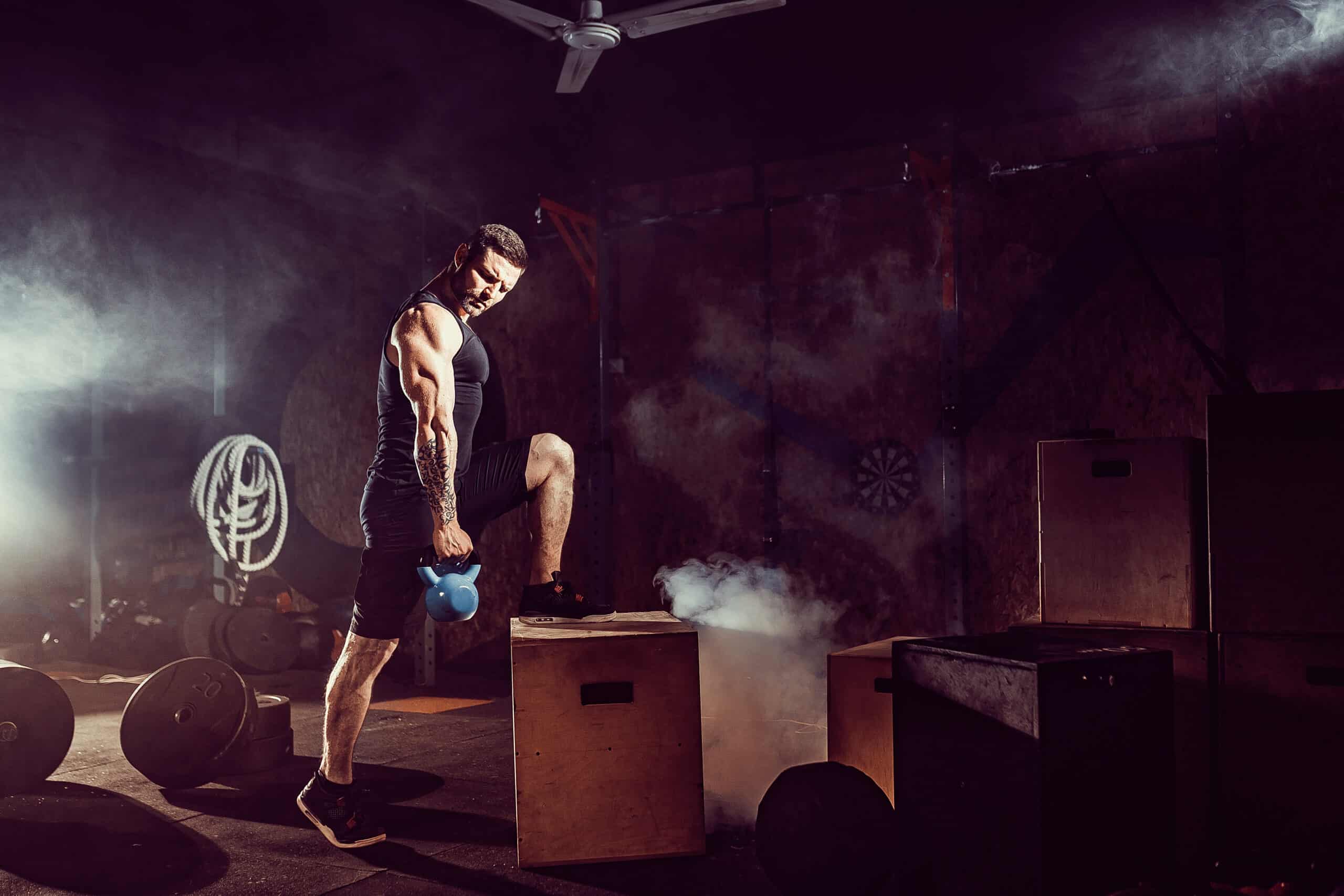
Strong glutes are essential for many exercises in the gym. They play a major role in squats, deadlifts, lunges, step-ups, sled pushes, kettlebell swings, and hip thrusts. If the glutes are weak, it becomes harder to generate force during these movements.
For example, in a squat, weak glutes may lead to poor hip drive, knees collapsing inward, or the lower back taking over. In a deadlift, strong glutes help lock out the weight at the top and reduce strain on the spine.
Stronger glutes can also improve lifting mechanics and reduce injury risk. This is especially important for older lifters who want to stay strong and train consistently.
Strong Glutes Improve Athletic Performance
In sports and athletics, the glutes are one of the main drivers of power. They help athletes sprint faster, jump higher, change direction more efficiently, and generate more force during running and lifting.
Various research has shown that stronger glutes can improve speed, acceleration, and lower body power. Athletes with strong glutes are often better at absorbing force and maintaining proper movement patterns.
This may lower the risk of injuries such as ACL tears, hamstring strains, and knee pain. Even recreational exercisers can benefit. Whether you play golf, pickleball, tennis, or simply enjoy walking and hiking, strong glutes help improve movement efficiency and endurance.
Best Exercises to Keep Glutes Strong
The best glute exercises combine heavy strength work with activation and stability training.
Some of the top glute exercises include:
- Hip thrusts
- Glute bridges
- Squats
- Romanian deadlifts
- Deadlifts
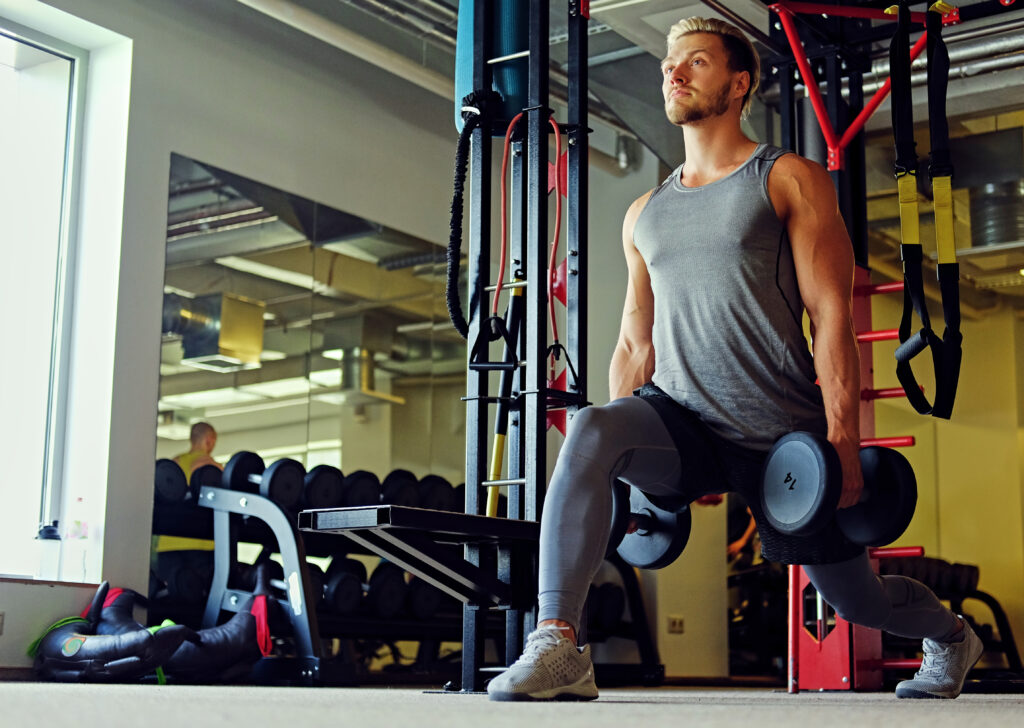
- Lunges
- Step-ups
- Bulgarian split squats
- Cable kickbacks
- Band lateral walks
- Single-leg deadlifts
- Kettlebell swings
For older adults, a mix of bilateral and single-leg exercises works well. Single-leg exercises are especially useful because they improve balance, coordination, and hip stability. Using full range of motion and focusing on controlled reps can help improve muscle activation.
It is also helpful to include a few activation drills before workouts. Exercises like glute bridges, mini-band walks, clamshells, and bodyweight hip hinges can help “wake up” the glutes before heavier lifting.
How Often Should You Train Glutes?
Most people can benefit from training the glutes two to three times per week. This can be done through lower body workouts, full-body routines, or dedicated glute-focused training sessions.
For best results, include a mix of heavy compound lifts, moderate-rep accessory work, and stability exercises. Progressive overload is also important. Gradually increasing weight, reps, or training volume helps keep the glutes strong and growing.
Consistency matters more than perfection. Even a few focused glute exercises each week can make a major difference in posture, strength, balance, and back health.
Final Thoughts
Glute strength becomes more important with age. Strong glutes support the lower back, improve posture, enhance athletic performance, and make daily life easier. Unfortunately, the glutes often become weaker and less active due to sitting, inactivity, muscle loss, and aging.
The good news is that this process can be slowed or even reversed with regular strength training. For Jefit users, glute training should not be treated as optional. It should be a regular part of every well-balanced program. The stronger your glutes stay, the stronger and more functional you can remain for years to come.
Jefit: The Strength Training App Powering Your Progress in 2026
If you’re serious about building muscle, increasing strength, and tracking every set with precision in 2026, the Jefit strength training app is built to support your progress. With over 20 million downloads and more than 13 million active users worldwide, Jefit is consistently ranked among the top strength training apps for structured workouts and performance tracking. Recognized as a Best Fitness App of 2026 and featured in Forbes, Men’s Health, PC Magazine, and USA TODAY, Jefit combines expert-designed training programs, detailed workout analytics, and a global fitness community to keep users motivated and accountable. Whether your goal is muscle growth, strength progression, or smarter training intensity management, Jefit provides the tools needed to train efficiently and achieve long-term results.

- Why Glute Strength Matters as You Age - April 1, 2026
- Free Weights vs. Machines: What Does Science Really Say? - March 25, 2026
- Do Cluster Sets Build More Strength and Muscle? - March 18, 2026