
Summary
- Strength training is evolving, and the methods that worked years ago are no longer delivering the same results for most lifters.
- The biggest gains going into 2026 will come from smarter programming, intentional volume, structured recovery, and consistent progress tracking—not harder or longer workouts.
- Lifters are moving away from random exercise selection and toward clear rules that guide long-term strength development.
- These new rules reflect how successful lifters are actually training today, combining data, discipline, and sustainability.
- This article breaks down the most important principles shaping strength training in 2026 and shows how to apply them for better results in the new year.
The New Rules of Strength Training in 2026
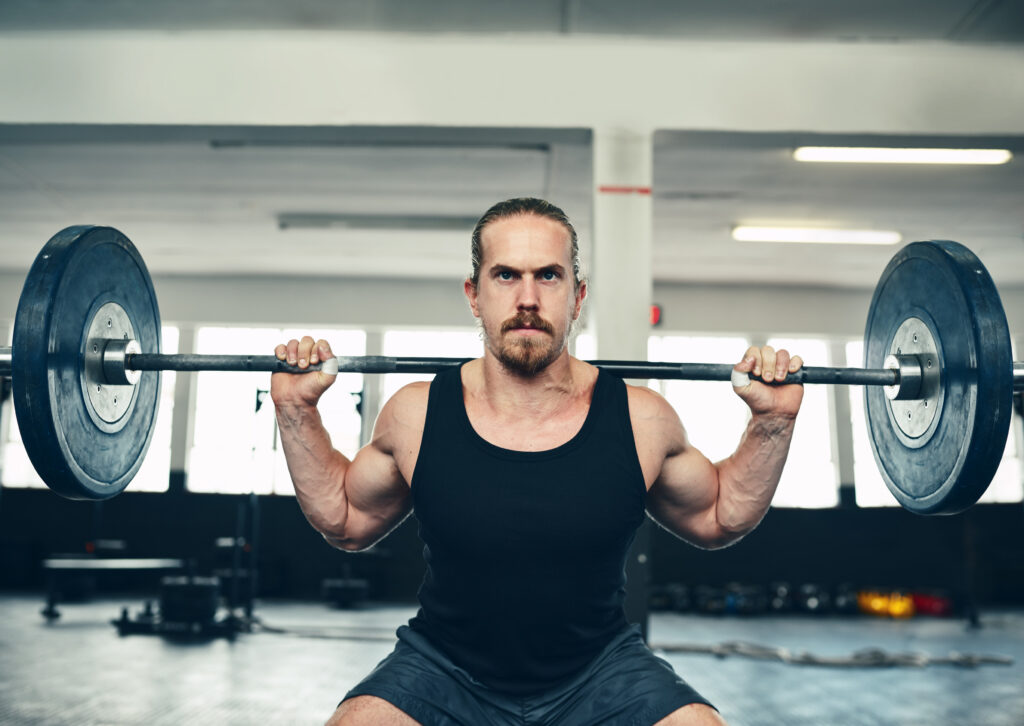
Strength training hasn’t stopped working—but the way most people approach it hasn’t kept up. As more lifters log years under the bar, the biggest gains going forward won’t come from adding more exercises, more sets, or more intensity for the sake of it. They’ll come from training smarter, managing recovery, and tracking progress with intention. Heading into 2026, strength training is being reshaped by better data, better programming principles, and a clearer understanding of what actually drives long-term results. These are the new rules that will define effective strength training in the year ahead.
Rule #1: If You Don’t Track Progress, You’re Guessing
The era of “I think I lifted heavier last month” is over. Strength gains depend on progressive overload, and progressive overload only works when it’s measured. Logging weights, reps, sets, rest times, and training frequency is no longer optional for serious progress. Lifters who consistently track their workouts outperform those who rely on memory or motivation alone because they remove guesswork from training decisions. Tracking reveals plateaus early, highlights trends over time, and shows when to push or pull back. In 2026, the strongest lifters aren’t just training hard—they’re training informed. Apps like JEFIT turn raw effort into actionable data, which is now a competitive advantage in strength development.
Rule #2: More Volume is Not Better—Better Volume is
One of the most persistent mistakes in strength training is equating progress with piling on sets. Research and real-world coaching trends are converging on the same conclusion: most lifters are doing too much ineffective volume. Junk sets performed while fatigued add stress without driving adaptation. The new rule prioritizes effective working sets performed with intention, proper loading, and adequate recovery. For most lifters, this means fewer total sets per muscle group per week but higher quality execution. Strength training in 2026 emphasizes hitting the minimum effective dose and then progressing strategically rather than surviving marathon workouts.
Rule #3: Strength Training is No Longer Just About Max Lifts
Pure maximal strength still matters, but it’s no longer the only metric of success. Modern strength training integrates work capacity, movement quality, and resilience alongside heavy lifts. Lifters are blending compound barbell movements with unilateral work, tempo control, and targeted accessories to stay strong and pain-free. Conditioning is no longer seen as the enemy of strength—it’s a support system that improves recovery and work tolerance. In 2026, strong means capable, durable, and consistent, not just able to grind out a one-rep max once in a while.
Rule #4: Recovery is a Training Variable, Not an Afterthought
Training doesn’t create strength—recovery does. This mindset shift is one of the most important changes shaping modern programming. Sleep, nutrition, rest days, and deloads are now treated as planned variables rather than signs of weakness. Lifters who train year-round without structured recovery eventually stall or regress. The new rule acknowledges that recovery capacity limits progress more often than motivation or effort. Smarter lifters plan lighter weeks, rotate intensities, and monitor fatigue trends using logged data. In 2026, skipping recovery is no longer seen as discipline—it’s seen as poor programming.
Rule #5: Consistency Beats Intensity Over the Long Term
The strongest bodies are built over months and years, not heroic single sessions. Chasing all-out workouts every time leads to burnout, injury, or inconsistency. The new rule values repeatable training that can be sustained week after week. Moderate intensity performed consistently outperforms sporadic high-intensity efforts. Strength training programs are shifting toward structures that fit real schedules and allow steady progression. Logging consistency in JEFIT—training frequency, completed workouts, and adherence—often correlates more strongly with results than peak loads alone. In 2026, consistency is the real performance enhancer.
Rule #6: Programs Matter More Than Exercise Variety
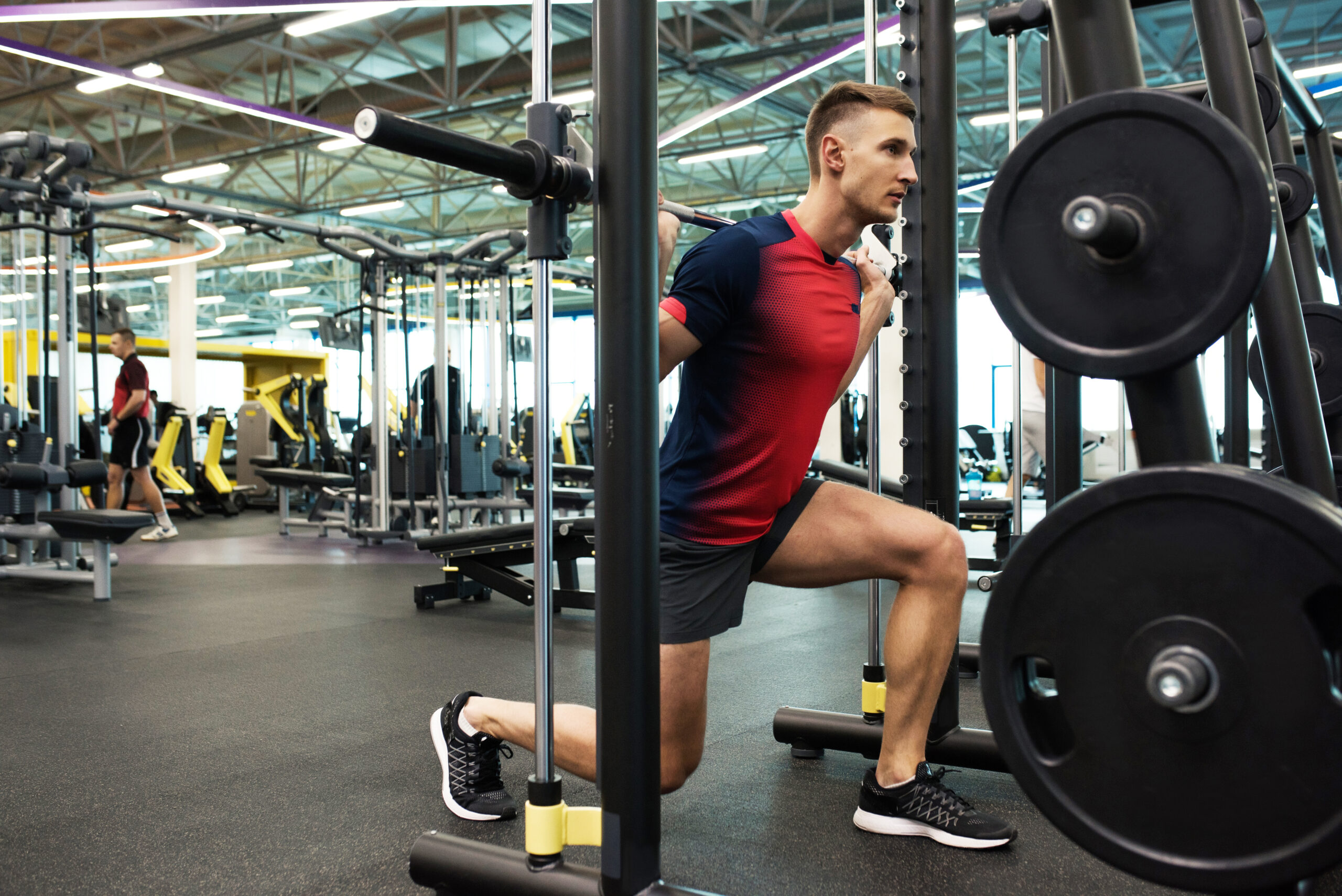
Random workouts produce random results. While exercise variety has its place, constant changes prevent meaningful progression. Modern strength training favors structured programs with clear progression models, repeated movement patterns, and long enough timelines to adapt. Lifters are returning to fundamentals like squats, presses, hinges, and pulls—but executing them within smarter frameworks. Accessories support the main lifts instead of replacing them. In 2026, the question isn’t “What new exercise should I try?” but “How am I progressing the movements that matter?”
Rule #7: Deloads Are Mandatory, Not Optional
One of the most overlooked tools in strength training is the deload. Rather than waiting for burnout or injury, lifters are proactively scheduling periods of reduced volume or intensity. Deloads allow the nervous system, joints, and connective tissue to recover while preserving technique and momentum. Strength training in 2026 treats deloads as part of the growth process, not interruptions to it. Logged training data makes it easier to identify when a deload is needed, turning what used to be a guessing game into a strategic reset.
Rule #8: Hybrid Training is the New Normal
The false choice between strength, conditioning, and athleticism is disappearing. Lifters are realizing that combining strength training with conditioning improves overall performance and longevity. This doesn’t mean turning strength workouts into cardio sessions—it means intelligently layering conditioning so it supports strength goals. Short finishers, loaded carries, sled work, and interval conditioning are becoming staples. In 2026, hybrid strength training isn’t a trend—it’s a standard approach for people who want to stay strong, lean, and capable year-round.
Rule #9: Technique and Intent Matter More Than Load Alone
Lifting heavier weight only works when it’s lifted well. Poor technique limits strength gains and increases injury risk. The new rule emphasizes intent on every rep—controlled eccentrics, stable positions, and consistent execution. Many lifters are intentionally pulling back load to improve movement quality, then building strength back on a stronger foundation. Video review, tempo prescriptions, and rep targets are increasingly common. In 2026, ego lifting fades in favor of sustainable progress.
Rule #10: Strength Training is a Long Game
The final rule ties everything together. Strength training is not a 12-week transformation—it’s a lifelong process. Lifters who succeed in 2026 think in seasons, not weeks. They set performance goals, review progress regularly, and adjust plans based on data rather than emotion. Training becomes less reactive and more deliberate. Tools like JEFIT support this long-term approach by keeping training history, personal records, and progression visible over time. When you can see where you’ve been, it’s easier to know where to go next.
How to Apply the New Rules Going into the New Year
As the new year approaches, the smartest move isn’t chasing the latest workout trend—it’s upgrading how you train. Start by committing to consistent tracking, simplifying your program, and planning recovery as carefully as your workouts. Choose a strength split you can maintain, focus on quality volume, and measure progress objectively. Strength training in 2026 rewards clarity, patience, and structure. The lifters who follow these new rules won’t just start the year strong—they’ll finish it stronger.

Jefit: The Strength Training App that Powers Your Progress
If you’re serious about building muscle, boosting strength, and tracking every rep with precision in 2025, the Jefit strength training app is your ultimate companion. With over 20 million downloads and 12+ million active users, Jefit is recognized as one of the top strength training apps on the market. Named Best Fitness App of 2024 and featured in Men’s Health, PC Magazine, and USA TODAY, Jefit delivers expert-designed workout programs, advanced performance tracking, and a supportive community that keeps you accountable and motivated. Whether you want a science-backed muscle-building plan, detailed lift tracking, or tools to optimize training intensity, Jefit puts everything you need to reach your fitness goals right at your fingertips.

- Free Weights vs. Machines: What Does Science Really Say? - March 25, 2026
- Do Cluster Sets Build More Strength and Muscle? - March 18, 2026
- Carb Cycling for Strength Training - March 11, 2026