

Summary
- Auto-regulated strength training is emerging as one of the hottest training methods for 2026, shifting focus from rigid programs to performance-based progression.
- Instead of fixed weights and percentages, lifters adjust intensity and volume using real-time feedback like RPE and reps in reserve.
- This method helps maximize strength gains while reducing burnout, plateaus, and injury risk.
- Advances in training apps and wearable data make auto-regulation easier and more accurate than ever.
- JEFIT users can leverage auto-regulated training to lift smarter, recover better, and make long-term progress without overtraining.
Why 2026 is the Year Fixed Programs Finally Break
For decades, strength training programs have followed rigid formulas: fixed percentages, fixed reps, fixed weekly progressions. While these methods built strong lifters, they also ignored a basic truth every experienced trainee knows—your body does not perform the same way every day. In 2026, auto-regulated strength training has moved from a niche concept used by elite powerlifters into a mainstream approach embraced by everyday lifters, coaches, and fitness apps like JEFIT. This shift reflects a broader trend in fitness toward personalization, adaptability, and smarter training rather than simply harder training.
What is Auto-Regulated Strength Training?
Auto-regulated strength training is a method that adjusts training load, volume, or intensity based on how your body performs in real time rather than following a pre-written percentage or weight prescription. Instead of asking “What does the program say I should lift today?” the question becomes “What am I capable of lifting well today?” This approach uses subjective and objective feedback such as Rate of Perceived Exertion (RPE), Reps in Reserve (RIR), bar speed, recovery quality, and performance trends to guide decisions inside each workout.
Why Auto-Regulation is Exploding in 2026
The rise of auto-regulated training in 2026 is driven by three forces. First, lifters are training longer into their lives and need methods that respect recovery. Second, wearable tech and training apps now make performance tracking effortless. Third, burnout from high-volume, fixed-intensity programs has pushed athletes to look for smarter ways to progress. Auto-regulation sits at the intersection of science, experience, and technology, making it one of the most discussed strength training topics across forums, coaching circles, and app-based communities.
RPE Explained: The Foundation of Smart Intensity
Rate of Perceived Exertion, or RPE, is a scale typically ranging from 1 to 10 that reflects how hard a set feels relative to your maximum effort. In strength training, RPE is often tied to how many reps you could have performed before failure. For example, an RPE 10 means no reps left in the tank, while RPE 8 means you could have completed two more reps with good form. By training at prescribed RPEs rather than fixed weights, lifters can match intensity to daily readiness without sacrificing progression.
RIR: A Practical Alternative for Everyday Lifters
Reps in Reserve, or RIR, expresses the same concept as RPE but in a more intuitive way. Instead of rating effort on a scale, you simply estimate how many clean reps you had left at the end of a set. A set performed with 2 RIR means you stopped two reps short of failure. Many lifters find RIR easier to apply consistently, especially when logging workouts in JEFIT. In 2026, RIR-based programming has become a favorite for hypertrophy-focused lifters and those training without a coach.
How Auto-Regulation Prevents Plateaus
One of the biggest advantages of auto-regulated training is its ability to prevent stalls in progress. Fixed programs often force lifters to push heavy loads even when recovery is compromised, leading to missed reps, technical breakdowns, or regression. Auto-regulation allows you to pull back slightly on low-energy days and push harder when performance is high. Over weeks and months, this results in more high-quality training sessions and fewer setbacks, which ultimately leads to better long-term strength gains.
Auto-Regulation and Progressive Overload Are Not Opposites
A common misconception is that auto-regulated training abandons progressive overload. In reality, it refines it. Progression still exists, but it is performance-based rather than calendar-based. You may increase load, reps, or volume when RPE trends downward or when you consistently finish sets with more RIR than planned. JEFIT’s tracking tools make it easy to spot these trends, allowing lifters to progress intelligently instead of forcing increases that their bodies are not ready to handle.
Recovery-Based Training: The Missing Link
In 2026, recovery is no longer treated as an afterthought. Sleep quality, stress levels, nutrition, and training history all affect performance. Auto-regulated training naturally accounts for these variables without requiring complex calculations. If recovery is poor, perceived effort rises faster and signals the need for adjustment. If recovery is strong, performance improves and heavier loads feel manageable. This responsiveness makes auto-regulation ideal for busy professionals, older lifters, and athletes training alongside other sports.
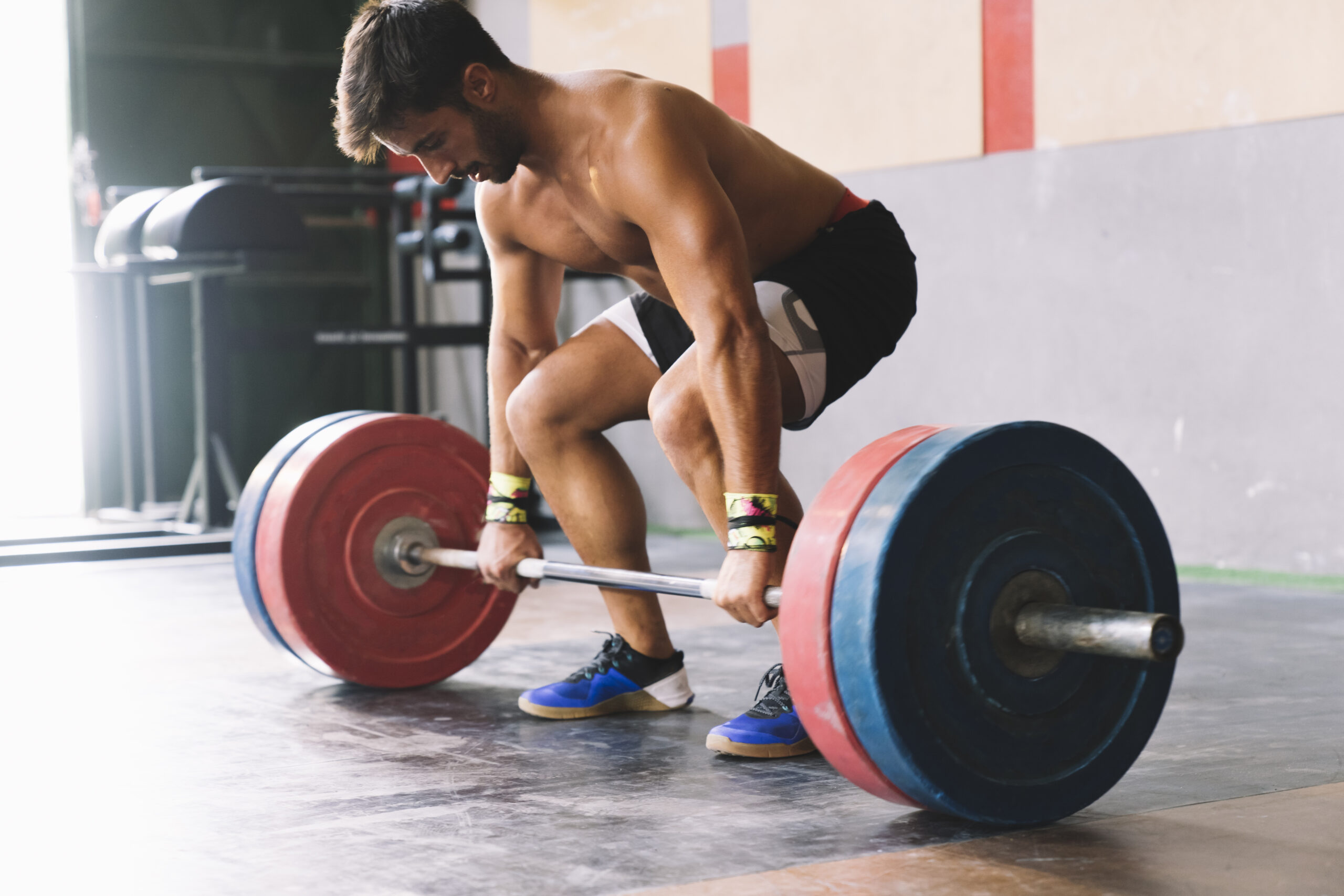
How Wearables and Apps Amplify Auto-Regulation
Technology has played a massive role in bringing auto-regulated training into the mainstream. Wearables now provide data on sleep, heart rate variability, and readiness scores, while apps like JEFIT capture workout performance trends over time. Although auto-regulation does not require technology, these tools enhance accuracy and consistency. In 2026, many lifters use a hybrid approach, combining subjective feedback like RIR with objective data to make smarter training decisions.
Auto-Regulated Strength Training for Different Goals
Auto-regulation is not limited to powerlifting or maximal strength. Hypertrophy-focused lifters can use RIR to manage volume and fatigue across higher-rep ranges. General fitness enthusiasts benefit from reduced injury risk and better adherence. Older athletes appreciate the flexibility to train hard without excessive joint stress. Even beginners can apply basic auto-regulation by learning to stop sets before form breaks down, making it a scalable method across experience levels.
Sample Auto-Regulated Strength Structure
A typical auto-regulated workout might prescribe three to five working sets of a compound lift at an RPE 7–8 or 2–3 RIR. Assistance exercises may be performed at slightly higher RIR to manage fatigue. Instead of chasing a specific weight, the lifter selects loads that match the target effort. Over time, the same RPE corresponds to heavier weights, signaling progress. JEFIT users can log RPE or notes to track these improvements clearly.
Why Coaches Are Shifting Away from Rigid Percentages
Coaches in 2026 increasingly recognize that percentage-based programs assume stable performance, which rarely exists outside controlled environments. Auto-regulation allows coaches to account for travel, stress, sleep, and individual differences without rewriting entire programs. For remote coaching and app-based training, this adaptability is essential. It empowers athletes to make informed decisions while still following a structured plan.
Common Mistakes When Starting Auto-Regulated Training
The most common mistake is misjudging effort. New users often underestimate how many reps they have left, turning RPE 8 sets into near-max efforts. This improves with experience and honest self-assessment. Another mistake is changing loads too frequently without observing trends. Auto-regulation works best when decisions are informed by patterns over weeks, not single workouts. Consistent logging in JEFIT helps eliminate this issue.
Auto-Regulation and Injury Reduction
Training closer to technical failure every session increases injury risk over time. Auto-regulation reduces this risk by encouraging lifters to stop sets when form begins to degrade rather than chasing arbitrary numbers. In 2026, injury-aware training is a major priority, especially as more people use strength training for longevity and health rather than competition alone.
The Future of Strength Training is Adaptive
Auto-regulated strength training represents a broader evolution in fitness toward adaptability, personalization, and sustainability. Instead of asking lifters to fit themselves into rigid systems, modern training systems adapt to the lifter. As JEFIT continues to expand its tracking, analytics, and smart programming tools, auto-regulation fits perfectly into the app’s mission of helping users train smarter and progress longer.
Final Takeaway: Train Smart, Not Just Hard
In 2026, the most successful lifters are not those who blindly follow fixed programs, but those who listen to feedback and adjust intelligently. Auto-regulated strength training is not a trend that will fade—it is a response to how real bodies perform in real life. By using RPE, RIR, and performance tracking inside JEFIT, lifters can build strength, avoid burnout, and enjoy consistent progress for years to come.
Jefit: The Strength Training App Powering Your Progress
If you’re serious about building muscle, boosting strength, and tracking every rep with precision in 2026, the Jefit strength training app is your ultimate companion. With over 20 million downloads and 12+ million active users, Jefit is recognized as one of the top strength training apps on the market. Named Best Fitness App of 2026 and featured in Men’s Health, PC Magazine, Forbes and USA TODAY, Jefit delivers expert-designed workout programs, advanced performance tracking, and a supportive community that keeps you accountable and motivated. Whether you want a science-backed muscle-building plan, detailed lift tracking, or tools to optimize training intensity, Jefit puts everything you need to reach your fitness goals right at your fingertips.

- Clean Eating in a Processed World: Rethinking GRAS - February 18, 2026
- Training Specificity: Why Workouts Must Match Your Goals - February 11, 2026
- Chrono-Nutrition to Improve Strength Training - February 4, 2026