
Introduction
The debate between free weights and machines has been around for decades, but recent research has reshaped the conversation. Today, the question isn’t which is better—it’s how to use both more effectively.
For JEFIT users tracking progress, this shift matters. Smarter programming leads to better long-term results.
What the Latest Research Shows
Several high-quality studies now give us a clear answer. A 2023 systematic review and meta-analysis found no significant difference between free weights and machines for muscle growth or strength when training volume is equal. That means your muscles respond similarly regardless of the equipment used.
A more recent 2025 randomized study comparing machine vs free-weight leg training showed comparable hypertrophy in both groups. Even earlier controlled trials using ultrasound measurements reached the same conclusion—both methods produced equal muscle growth.
Key takeaway: Muscle growth is driven by tension, effort, and volume—not the tool.
Why Free Weights Still Matter
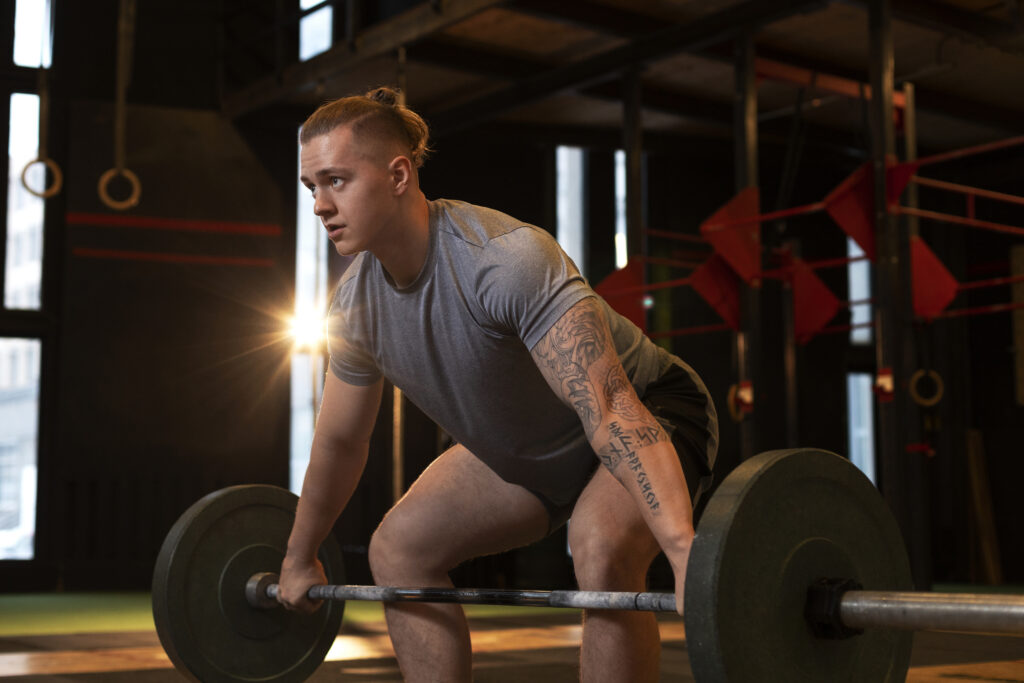
Even though hypertrophy is similar, free weights offer unique benefits. They require stabilization, coordination, and control. This leads to greater activation of supporting muscle groups.
Exercises like dumbbell presses, goblet squats, and rows build what many call “functional strength.”
This becomes especially important for aging lifters focused on maintaining balance and movement quality.
Free weights also improve skill. You learn to control load through space, which carries over to real-life activities.
Where Machines Have the Advantage
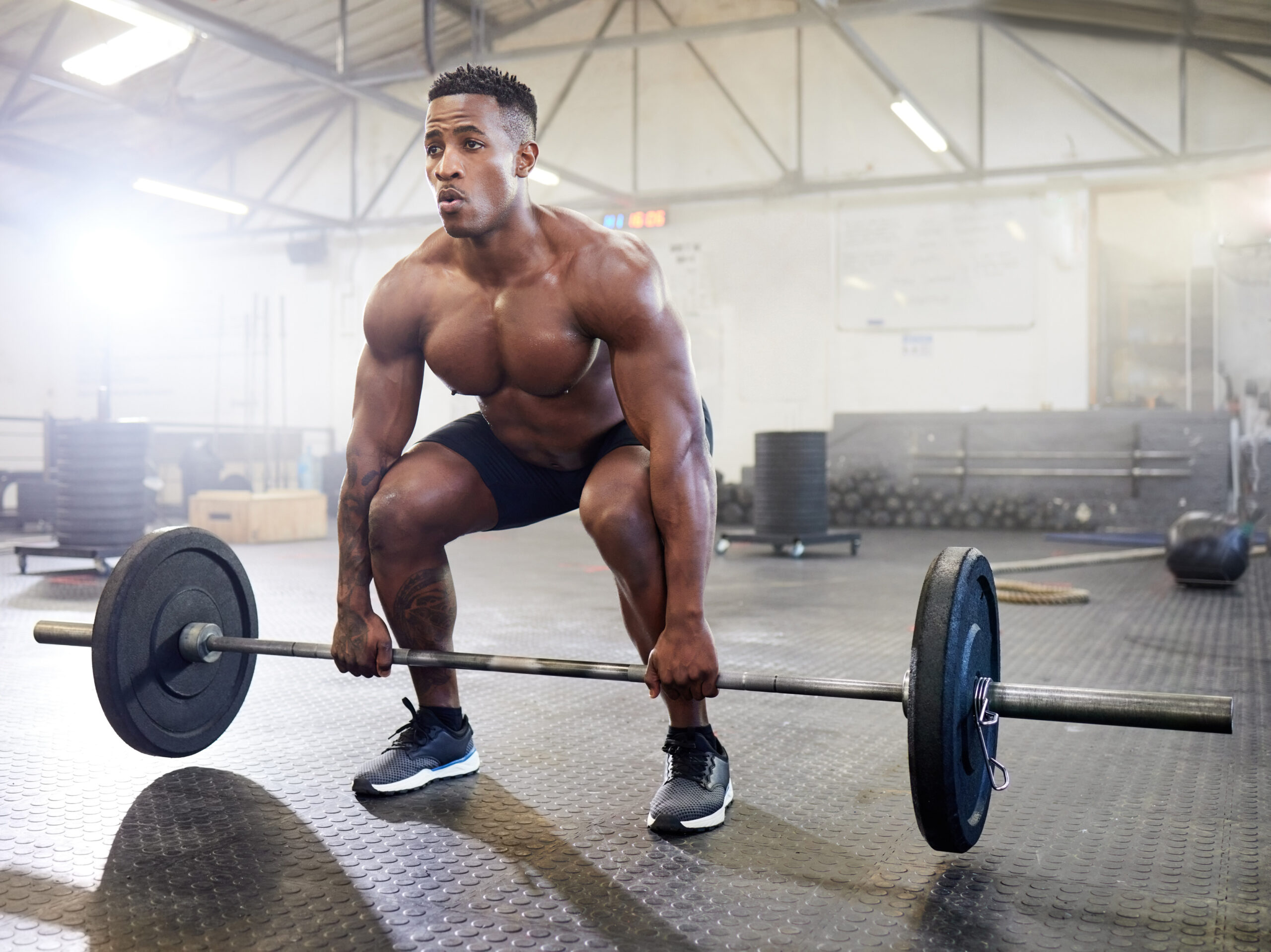
Machines are often underestimated. But research and practice both highlight clear advantages. First, machines provide stability. This allows you to focus purely on the target muscle without worrying about balance.
Second, machines reduce injury risk. They guide movement patterns and are ideal when training close to failure. Third, machines improve fatigue management. Because they require less stabilization, they create less systemic fatigue. This allows you to perform more total volume across a week.
The Stimulus-to-Fatigue Advantage
A growing concept in training is the stimulus-to-fatigue ratio. This refers to how much muscle-building stimulus you get compared to how much fatigue you accumulate.
Machines often perform better here. For example, a leg press can heavily load the quads without stressing the lower back like a squat. This doesn’t replace free weights—but it shows where machines fit best.
Strength Gains: A Subtle Difference
Research suggests strength gains are often specific to the equipment used. If you train with barbells, you’ll get stronger at barbell lifts. If you train on machines, you’ll improve on machine strength.
This is known as the principle of specificity. So while hypertrophy may be equal, strength expression can differ slightly.
The Best Approach: Combine Both
The evidence points strongly toward a hybrid model. Not one or the other—both. Start workouts with free weights. Use them for compound lifts that require coordination and energy. Then move to machines. Use them to increase volume, isolate muscles, and safely push intensity.
This approach allows you to:
- Build functional strength
- Maximize hypertrophy
- Manage fatigue
- Reduce injury risk
Practical JEFIT Programming Strategy
Here’s how this might look in a real workout:
Upper Body Day Example:
- Dumbbell incline press (free weight)
- One-arm dumbbell row (free weight)
- Machine chest press
- Lat pulldown machine
- Cable lateral raises
This structure blends both tools for optimal results.
What Most Lifters Get Wrong
Many lifters still pick sides. They either avoid machines or rely on them too much. The research clearly shows this is a mistake. Limiting yourself to one method reduces your potential. The best physiques—and strongest bodies—are built using a mix of both.
Bottom Line
Science is clear: Free weights are not superior. Machines are not inferior. Both build muscle equally well when programmed correctly. The real advantage comes from using each where it performs best.
For JEFIT users, this means smarter tracking, better exercise selection, and more sustainable progress. The future of training isn’t choosing sides. It’s choosing the right tool at the right time.
Jefit: The Strength Training App Powering Your Progress in 2026
If you’re serious about building muscle, increasing strength, and tracking every set with precision in 2026, the Jefit strength training app is built to support your progress. With over 20 million downloads and more than 12 million active users worldwide, Jefit is consistently ranked among the top strength training apps for structured workouts and performance tracking. Recognized as a Best Fitness App of 2026 and featured in Forbes, Men’s Health, PC Magazine, and USA TODAY, Jefit combines expert-designed training programs, detailed workout analytics, and a global fitness community to keep users motivated and accountable. Whether your goal is muscle growth, strength progression, or smarter training intensity management, Jefit provides the tools needed to train efficiently and achieve long-term results.

- Free Weights vs. Machines: What Does Science Really Say? - March 25, 2026
- Do Cluster Sets Build More Strength and Muscle? - March 18, 2026
- Carb Cycling for Strength Training - March 11, 2026