

Summary
- GRAS (Generally Recognized as Safe) ingredients appear in many packaged and ultra-processed foods across the United States.
- Recently, 60 Minutes raised concerns about how companies label many additives as “safe” with limited modern research.
- Public health expert David A. Kessler warns that outdated safety standards may contribute to obesity, diabetes, and heart disease.
- In addition, many everyday foods contain refined starches, sweeteners, and additives that disrupt metabolism and appetite control.
- As a result, reducing ultra-processed foods can improve energy, body composition, and long-term health.
- Finally, learning how to read labels and choose whole foods helps consumers make smarter nutrition decisions.
Introduction
In February 2026, CBS’s 60 Minutes aired a major report on ultra-processed foods and GRAS ingredients. The segment focused on how food companies classify many additives as safe. Correspondent Bill Whitaker led the discussion with Dr. David A. Kessler.
Together, they examined how current the regulations affect public health. They also questioned whether the system protects us as consumers. As a result, the segment sparked nationwide attention. Many Americans began to rethink what appears in their food.
GRAS Defined
GRAS is an FDA designation for food ingredients. It allows companies to use certain substances without full pre-market approval. Experts must recognize these substances as safe for their intended use. The government created this system in 1958 to prevent unnecessary delays.
At that time, lawmakers wanted to protect traditional ingredients such as salt and vinegar. However, the system has changed over time. Today, companies can “self-affirm” safety. In other words, they can approve their own ingredients without telling the FDA. Because of this loophole, thousands of additives enter the market with limited oversight. Critics argue that this process puts public health at risk. Therefore, many experts now call for reform.
Meanwhile, research continues to show clear links between ultra-processed foods and chronic disease. Studies connect these foods to higher calorie intake and weight gain. They also associate them with diabetes and heart disease. As a result, many scientists urge consumers to reduce their intake.
Practical Changes to Try
Fortunately, readers can take simple steps to limit their exposure to questionable GRAS ingredients. Let’s take a look:
Choose Whole, Minimally Processed Foods
First, select fresh fruits, vegetables, legumes, whole grains, nuts, and seeds. These foods contain natural nutrients. They also avoid industrial additives.
Cook at Home More Often
Next, prepare meals at home whenever possible. Home cooking gives you full control over ingredients. It also helps you avoid hidden sugars and starches.
Read Labels Carefully
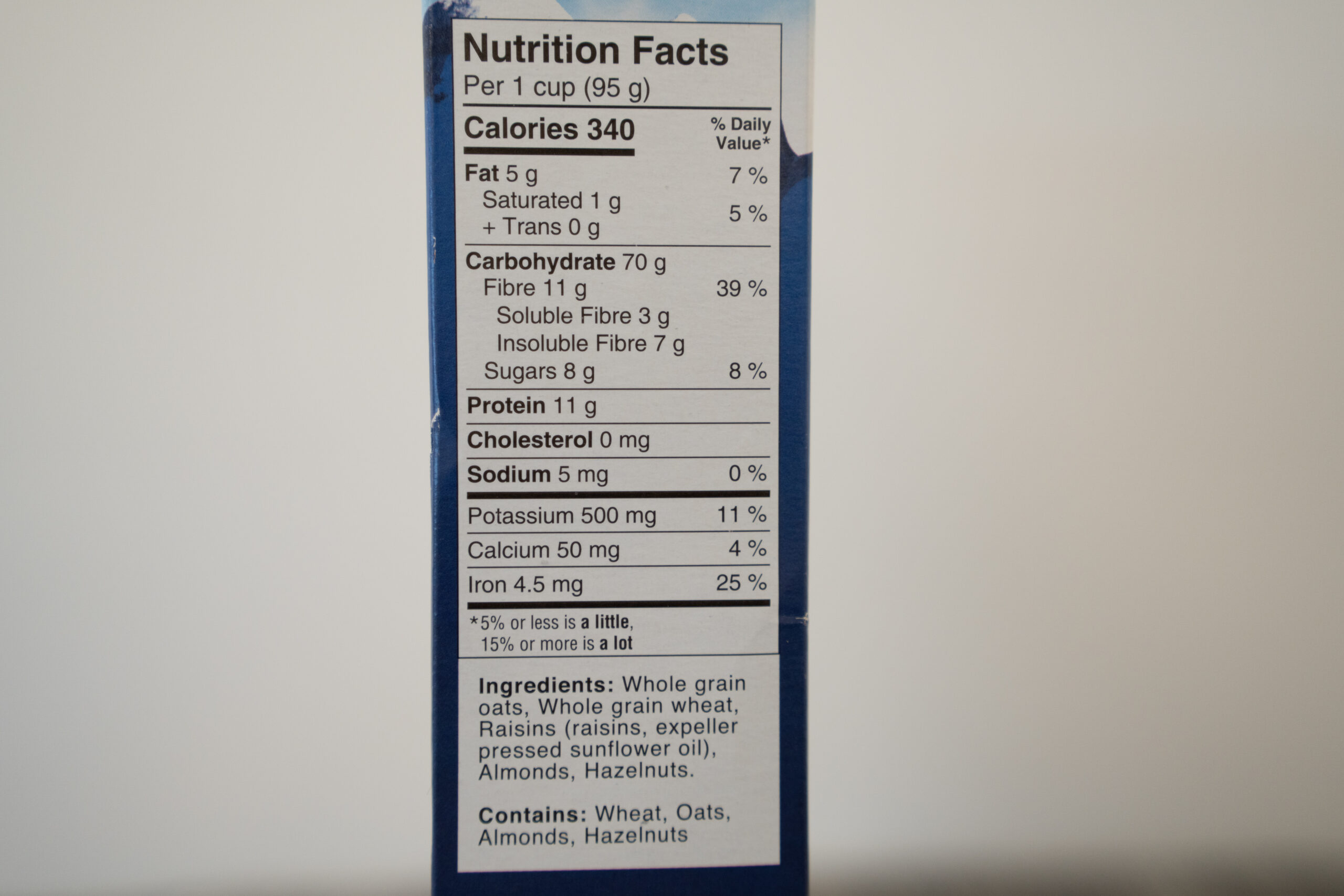
In addition, check ingredient lists before buying packaged foods. Choose products with short, familiar lists. Avoid foods with artificial colors, emulsifiers, and modified starches.
Reduce Sugary and Sweetened Drinks
Furthermore, limit beverages with high-fructose corn syrup or refined sweeteners. These drinks deliver large amounts of processed sugar. Instead, choose water, unsweetened tea, or flavored sparkling water.
Limit Ready-to-Eat and Frozen Meals
Also, reduce your reliance on convenience meals. Many frozen and packaged entrees rely on additives for texture and shelf life. Fresh meals offer a better alternative.
Focus on Fiber and Protein
Finally, prioritize fiber- and protein-rich foods. These nutrients improve fullness. They also reduce cravings for highly processed snacks.
Final Thoughts
Understanding the limits of the GRAS system empowers consumers to make better choices. More importantly, choosing real food supports long-term health. Small changes, when repeated daily, create lasting results. Therefore, focusing on whole foods can improve performance, recovery, and overall well-being.
JEFIT: The Strength Training App Powering Your Progress in 2026
Serious lifters need reliable tools to reach their goals. JEFIT delivers exactly that. The app helps users track workouts, analyze progress, and stay consistent. Today, more than 20 million people worldwide use JEFIT. In addition, major media outlets continue to recognize its impact. Forbes, Men’s Health, PC Magazine, and USA TODAY have all featured the platform.
JEFIT combines expert-designed programs, detailed analytics, and a global community. As a result, users stay motivated and accountable. Whether your goal involves muscle growth, strength gains, or smarter training, JEFIT gives you the tools to succeed.

- Why Glute Strength Matters as You Age - April 1, 2026
- Free Weights vs. Machines: What Does Science Really Say? - March 25, 2026
- Do Cluster Sets Build More Strength and Muscle? - March 18, 2026