
Exercise Database
Find the perfect workouts from the JEFIT exercise database by muscle group, equipment, or try something new.
Select by Muscle
Select by Equipment
Jefit Exercises
1294 EXERCISES FOUND
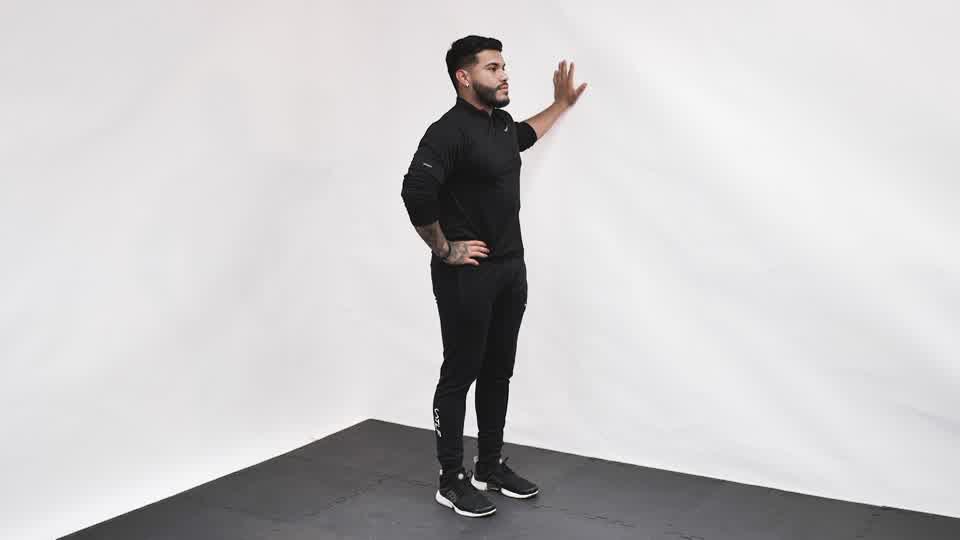
Front to Back Leg Swings
Performing front-to-back leg swings is an excellent dynamic warm-up exercise that helps to increase flexibility, mobility, and blood flow to the lower body. Stand tall with your feet hip-width apart and your arms relaxed by your sides. Engage your core muscles by gently pulling your belly button towards your spine to stabilize your torso. If needed, you can use a wall or a sturdy object for support to maintain your balance during the exercise. Begin by swinging one leg forward in a controlled motion. Keep your knee straight but not locked. Swing your leg as high as comfortable, aiming for a gentle stretch in the hamstrings. After swinging your leg forward, smoothly swing it backward in the opposite direction. Again, keep your knee straight but not locked, and aim for a gentle stretch in the quadriceps by bending the knee, trying to kick your buttock with your heel. Focus on maintaining control throughout the movement. Avoid swinging your leg too forcefully or using momentum to lift it. The motion should be controlled and deliberate. After completing the desired number of repetitions on one leg, switch to the other leg and repeat the exercise. While swinging your legs, keep your upper body stable and avoid leaning excessively forward or backward. Your torso should remain upright throughout the exercise. Coordinate your breathing with the movement. Inhale as you swing your leg forward, and exhale as you swing it backward. Gradually Increase Range of Motion: As you warm up, gradually increase the range of motion of your leg swings. Try to swing your leg higher with each repetition, but only go as far as you can comfortably without straining.
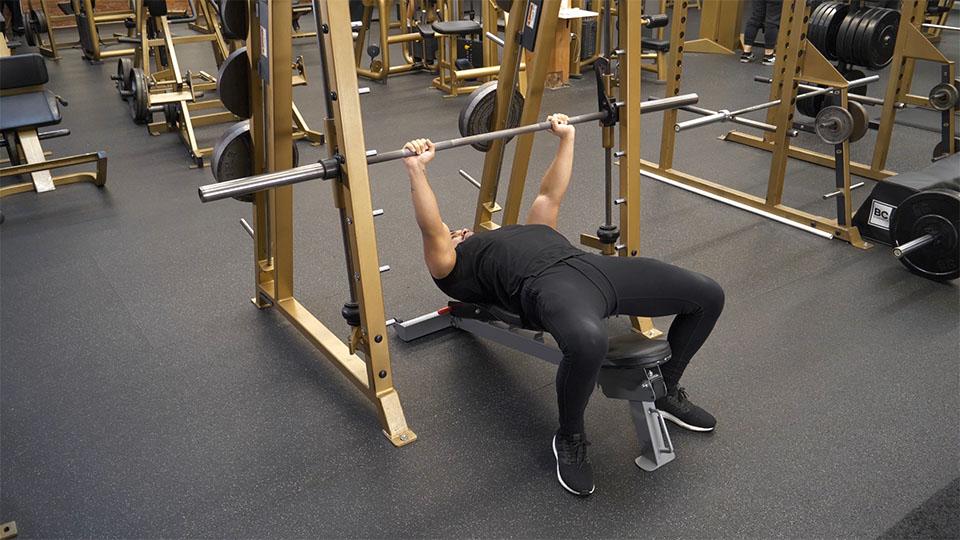
Smith Machine Decline Bench Press
Steps : 1.) Start off by taking a decline bench and placing it underneath a bar on a smith machine, lowering the bar so that it is just above chest level, and laying with your head facing the back of the machine. 2.) Once in position grab the bar and release it, extending your arms until they are straight but not locked, then lower the bar until your arms are at about level with your chest. 3.) Hold this position for a count then return back to the starting position. 4.) Repeat for as many reps and sets as desired.
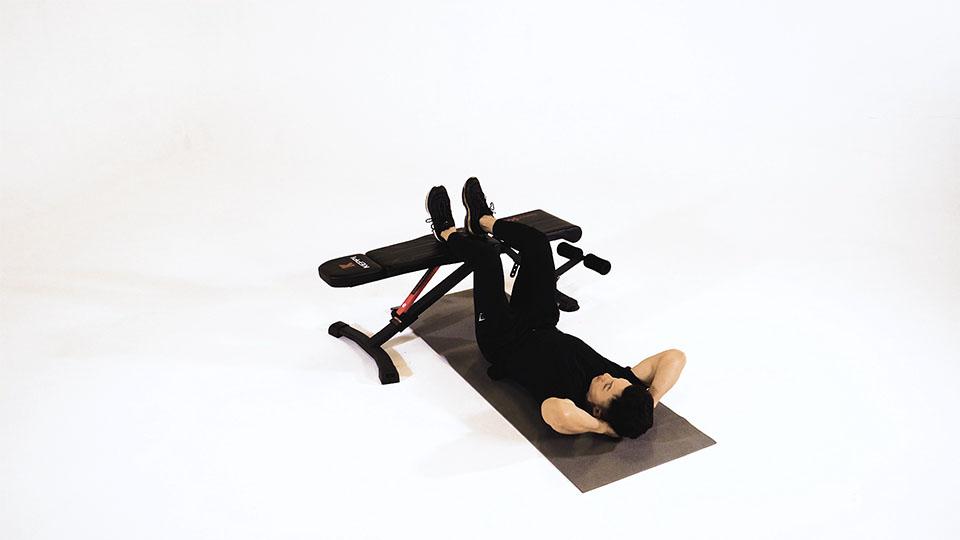
Bench Crunch
The crunches with legs on a bench is one of the most common abdominal exercises that isolates the ab muscles. Steps : 1.) Lie on your back with your feet up on a bench, keeping your knees bent at a 90-degree angle, placing your hands across your chest or on either side of your head. 2.) Raise your head, shoulders and chest off the floor moving towards your knees, as you flex your spine. 3.) Hold the position for a moment and then lower to the starting position. 4.) Repeat for as many reps and sets as desired.
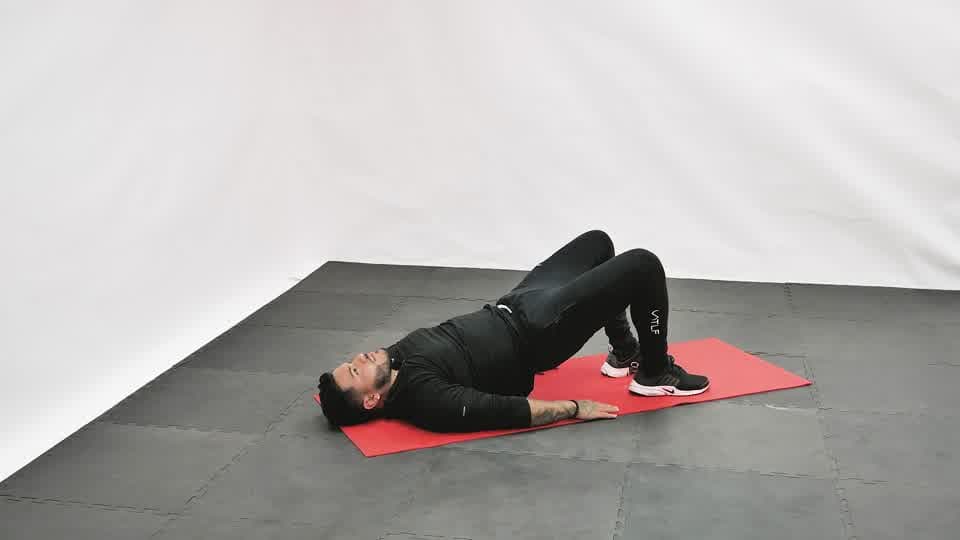
Glute Bridge March
The bridge with alternating step-in-place is a variation of the traditional bridge exercise that incorporates additional lower body movement to engage the glutes, hamstrings, and core muscles. Lie on your back on a mat or comfortable surface with your knees bent and your feet flat on the ground. Keep your arms by your sides with your palms facing down for stability. Engage your core muscles and press your lower back into the ground. Lift your hips upward by pushing through your heels until your body forms a straight line from your shoulders to your knees. Squeeze your glutes at the top of the bridge to maximize muscle activation. While maintaining the bridge position, lift one foot off the ground. Slowly bring your knee towards your chest as if you are marching in place. Lower your foot back down to the ground and repeat the movement with the opposite leg. Continue alternating between legs, lifting and lowering each foot in a controlled manner. Hold the bridge position throughout the exercise, maintaining tension in your glutes and core to stabilize your body. Perform the alternating step-in-place movement for the desired number of repetitions or time duration. Aim for smooth and controlled movements, focusing on maintaining proper form throughout the exercise. Inhale as you lower your hips back down towards the ground. Exhale as you lift your hips up into the bridge position and perform the alternating step-in-place movement.
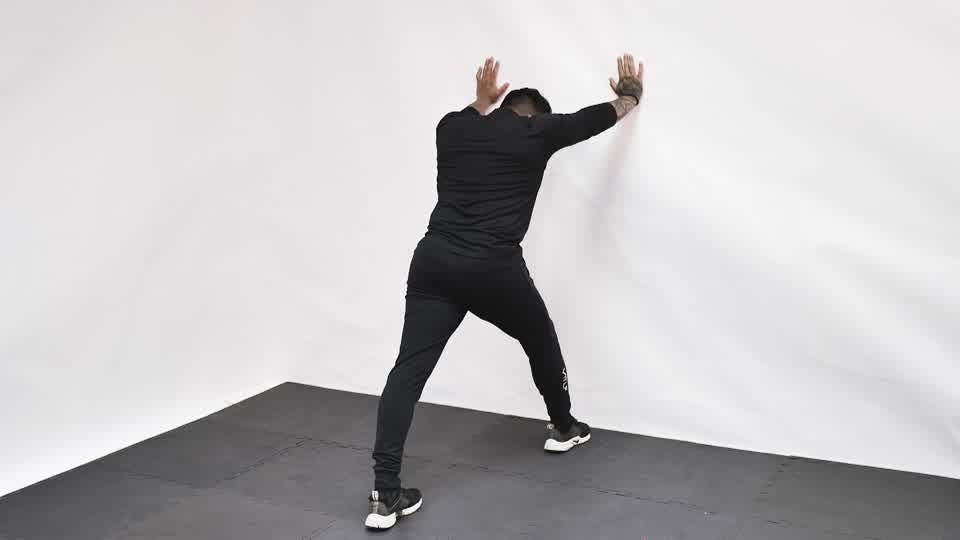
Wall Calf Stretch
Steps : 1.) Begin by standing in front of a wall, about a few feet away, placing one foot in front of your body as you lean towards the wall. 2.) As you lean closer with your body, rest your hands up against the wall keeping your heels, hips and head in a straight line as well as feet flat on the floor. 3.) Extend forward until you feel a stretch in your calves and then hold for 15 to 30 seconds. 4.) Return to the starting position and repeat for as many reps, sets and however long you desire.
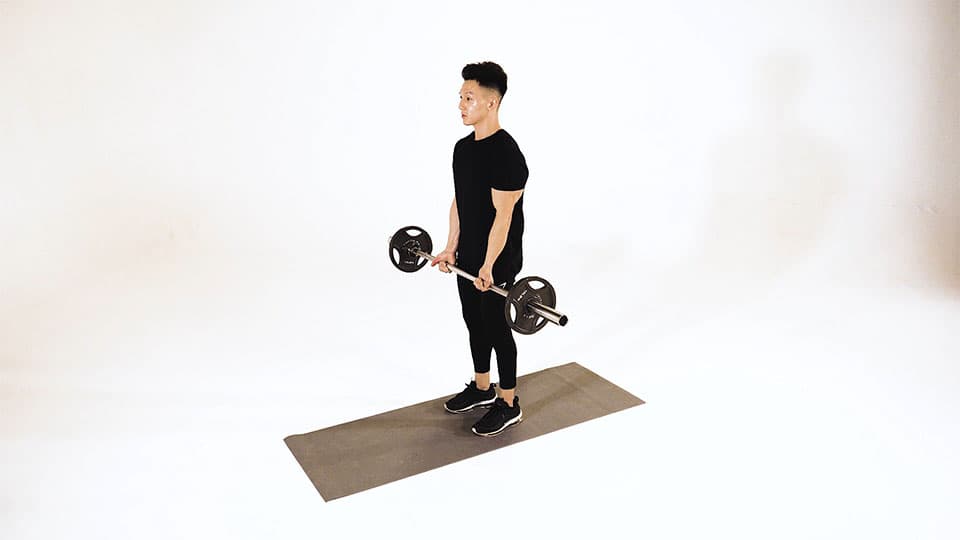
Barbell Curl (Close Grip)
The close-grip standing barbell curl uses a barbell to help isolate the bicep during the curl. Steps : 1.) Start by standing up straight with your feet shoulder width apart, keeping your knees slightly bent and abs tight. 2.) Grab a barbell with an underhand grip and extend your arms against your thighs as this will be your starting position. 3.) While keeping your elbows locked by your side, raise the bar up towards your chest. 4.) Hold this position for a count and return back to the starting position.
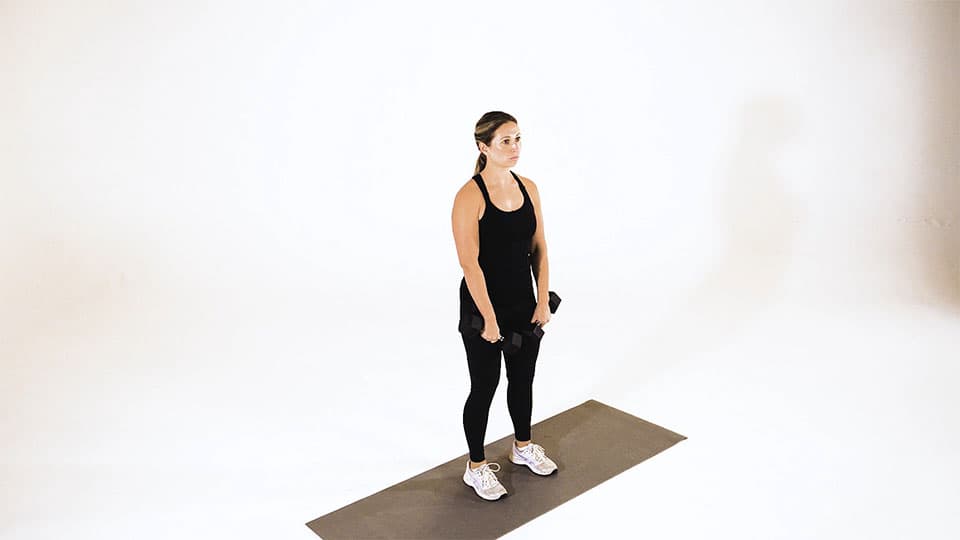
Dumbbell Upright Row
The Dumbbell Upright Row is an effective exercise for targeting the shoulders, trapezius, and upper back muscles. Here's a step-by-step guide to performing the exercise correctly: Starting Position: Stand with your feet shoulder-width apart. Hold a dumbbell in each hand with an overhand grip (palms facing your thighs), arms fully extended down in front of you. The dumbbells should be resting against your thighs. Keep your back straight, chest up, and engage your core muscles. Engage Your Core: Tighten your abdominal muscles to stabilize your torso throughout the exercise. Lift the Dumbbells: Begin the movement by lifting your elbows up and out to the sides, leading with your elbows. Keep the dumbbells close to your body as you lift them upwards. Continue lifting the dumbbells until they reach about chest level. Your elbows should be higher than your wrists, and your hands should be close to your chin. Pause: Briefly pause at the top of the movement, squeezing your shoulder and upper back muscles. Lower the Dumbbells: Slowly lower the dumbbells back to the starting position in a controlled manner, keeping them close to your body.
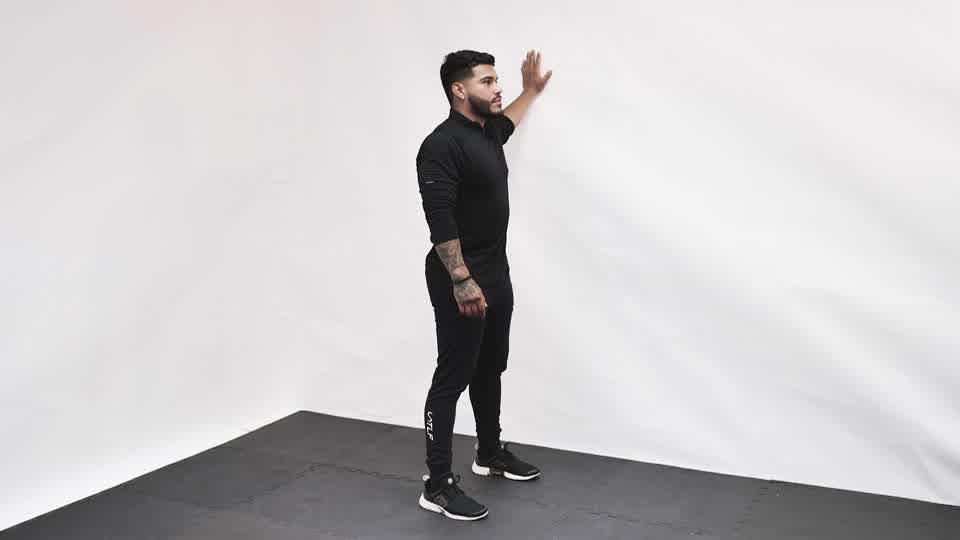
Sissy Squat
Steps : 1.) Start by standing up straight, with your feet shoulder width apart next to either a smith machine or support structure. 2.) Bend slightly with your knees, place one arm across your chest and use the other to hold onto the support. 3.) Slowly lower your body backward, while raising your heels off of the ground, squatting down until you feel a stretch in your hamstrings and hold for a count. 4.) Return back to the starting position. 5.) Repeat for as many reps and sets as desired.
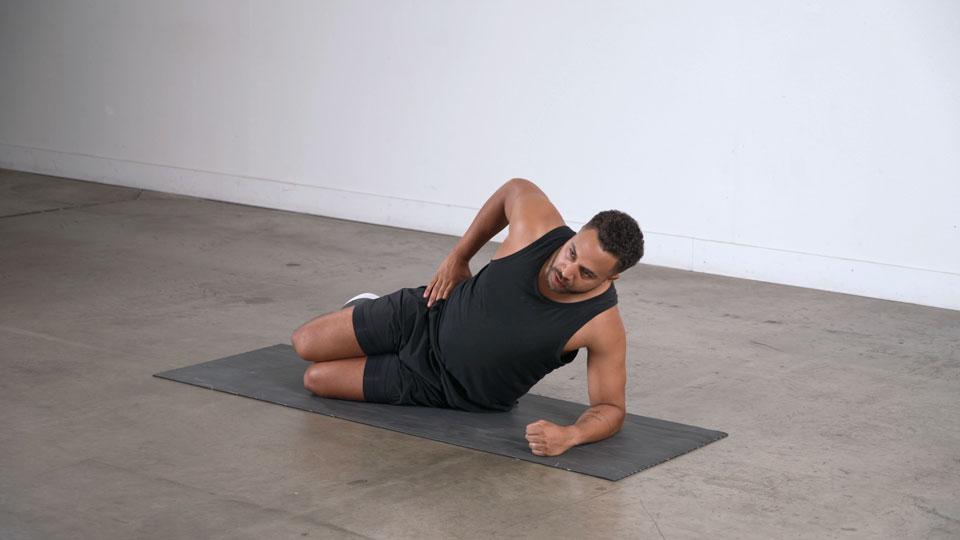
Side Bridge
The side bridge exercise is a great core workout to improve strength and conditioning. Steps : 1.) Start by lying on one side of your body with your legs bent and your forearm perpendicular to your body. 2.) Once in position, draw your abs in and slowly raise yourself up so that you are balanced on your forearm. 3.) Hold onto this position for a count, squeezing your abdominals and then return back to the starting position.
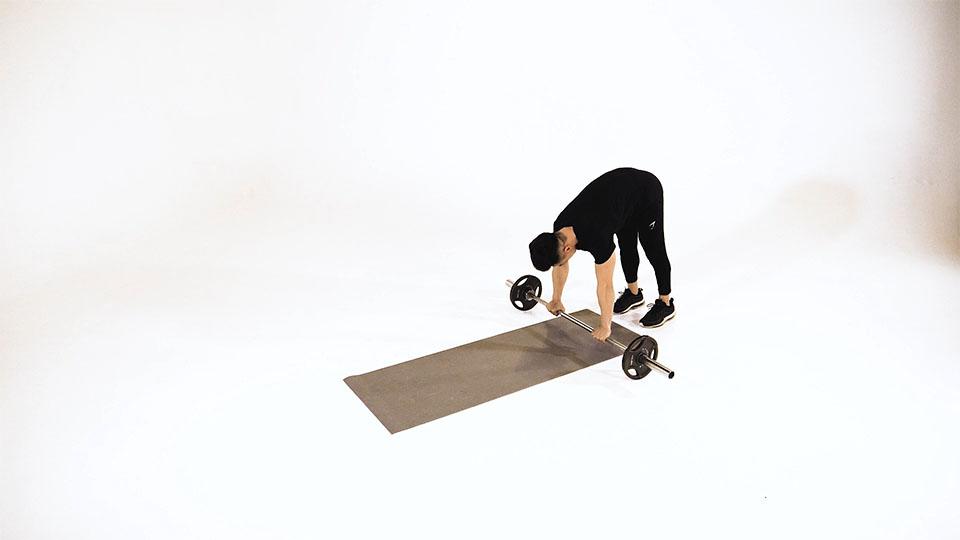
Barbell Ab Rollout
The Barbell Ab Rollout is a highly effective exercise that targets the entire core, particularly the rectus abdominis, obliques, and lower back. It also engages the shoulders and arms. Here’s how to perform a Barbell Ab Rollout correctly: Setup: Load a barbell with weight plates that can roll smoothly on the floor. Kneel on an exercise mat to protect your knees. Starting Position: Position the barbell in front of you and grip it with an overhand (pronated) grip, hands shoulder-width apart. Your shoulders should be directly over the barbell. Engage your core by pulling your belly button towards your spine. Execution: Tighten your core muscles to prepare for the movement. Slowly roll the barbell forward, extending your arms and allowing your body to move forward as well. Keep your back straight and core tight. Roll out as far as you can while maintaining a straight line from your head to your knees (or toes if performing a more advanced variation). Avoid letting your hips sag or your back arch excessively. Breathing: Inhale as you roll out. Top Position: At the extended position, your body should be in a straight line, parallel to the floor, with your arms fully extended.Pause briefly, ensuring your core is fully engaged and your back is not sagging. Returning to Start: Using your core muscles, pull the barbell back towards your knees (or feet), rolling back to the starting position. Exhale as you return to the starting position.
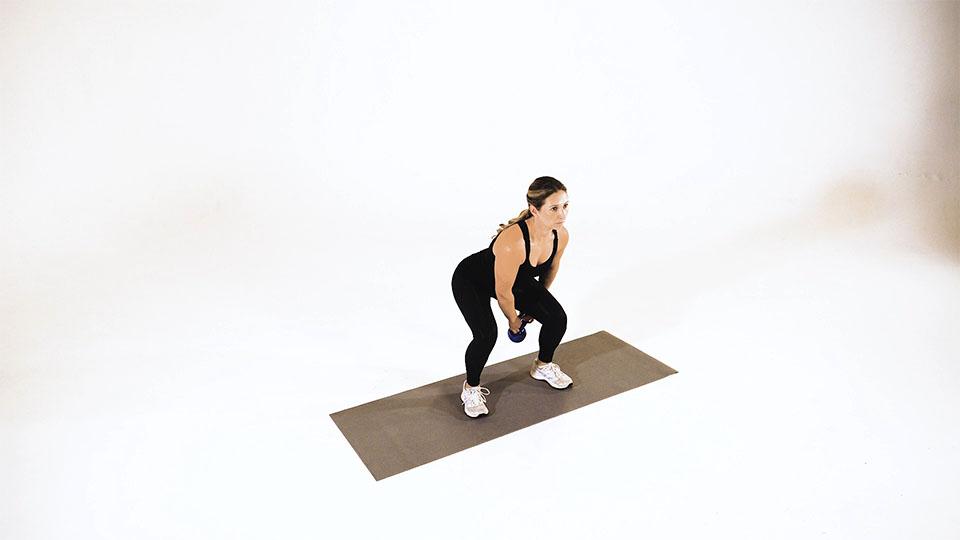
Kettlebell Figure Eight
Steps : 1.) To begin this exercise, take one kettlebell and place it between your legs, bending over and pressing your glutes out, keeping your back flat. 2.) Take the kettlebell and pass it between the legs to your other hand that is behind the legs. 3.) Repeat this motion with a figure eight motion. 4.) Repeat this exercise for as many repetitions as needed. 5.) You can also alternate the direction of which the kettlebells are passed between the legs.
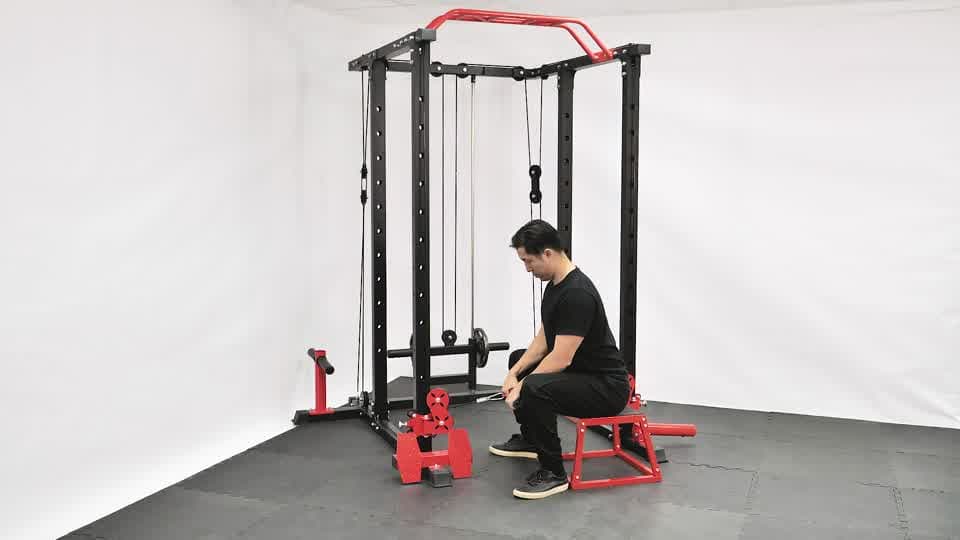
Cable Wrist Curl (Reverse Grip)
Steps : 1.) Start by setting up either a straight or EZ bar on a low pulley cable machine, sit on a bench positioned in front of the machine and grab the bar using a reverse shoulder width grip. 2.) Keep your elbows tucked in at your sides and slowly raise the bar up so that you feel a stretch in your arms, squeezing your forearms and hold for a count. 3.) Return back to the starting position. 4.) Repeat for as many reps and sets as desired.
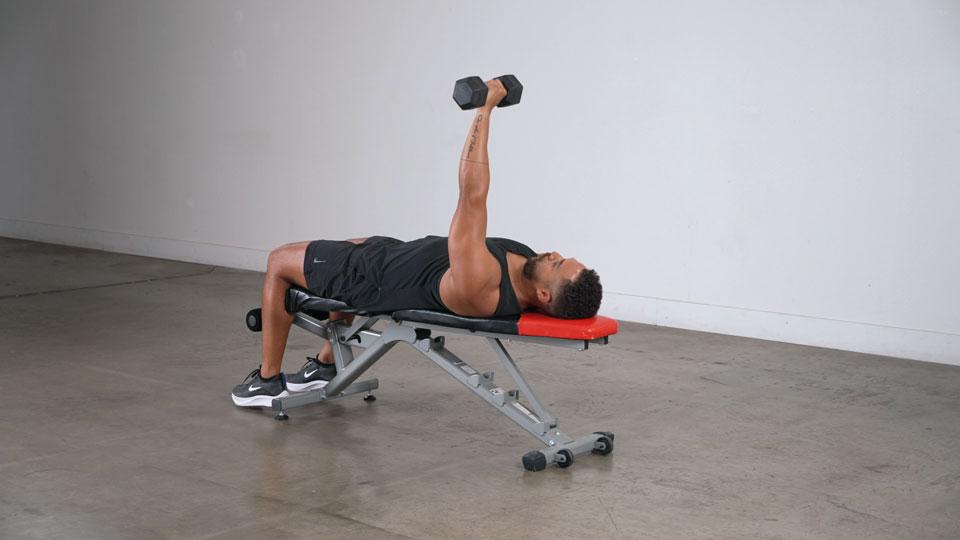
Dumbbell One-Arm Bench Press
The dumbbell one arm bench press is a very advanced exercise that is mostly used by body builders and power lifters to build stronger pectoral muscles. Steps : 1.) Start off lying with your back flat on the bench with your feet placed firmly on the floor in front of you. 2.) Grab a dumbbell in one hand and bring it up to the side of your chest as this will be your starting position. 3.) Once in position, extend your arm straight out in front of you, pressing the dumbbell up until your arm is straight, elbow is locked and you feel a stretch in the chest muscle. 4.) Hold this position for a count and then in a controlled motion, lower the weight back down to the starting position. 5.) Switch arms and repeat for as many reps and sets as desired.
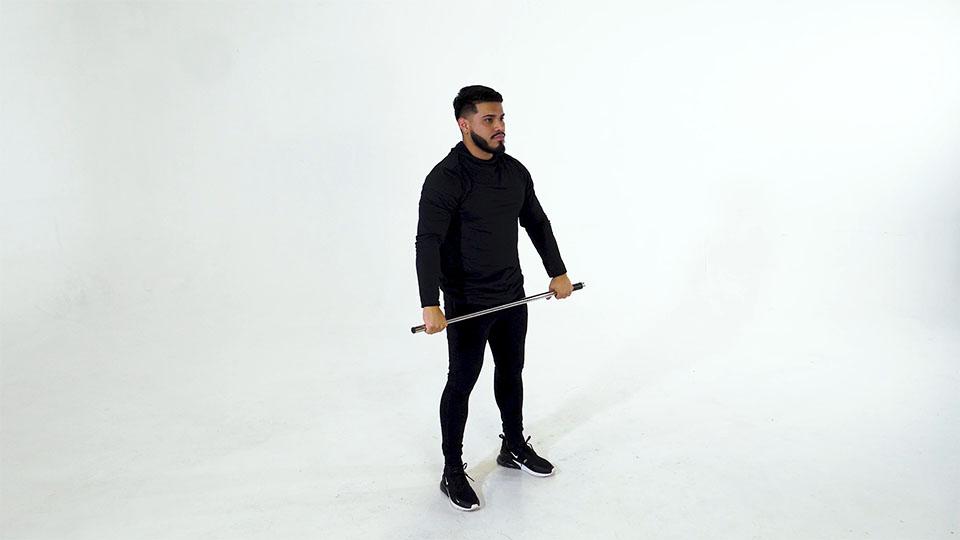
Chest and Shoulder Stretch
Steps : 1.) Start off standing up straight with your feet shoulder width apart, holding either a broom or a bodybar in between your hands. 2.) With a wide grip on the pole, hold it in front of you with your palms face down and then lift it up slowly behind your head. 3.) Arch your shoulders back and continue to extend your arms until you feel a stretch on your chest then hold for 15 to 30 seconds. 4.) Return back to the starting position and repeat for as many reps and duration as desired.
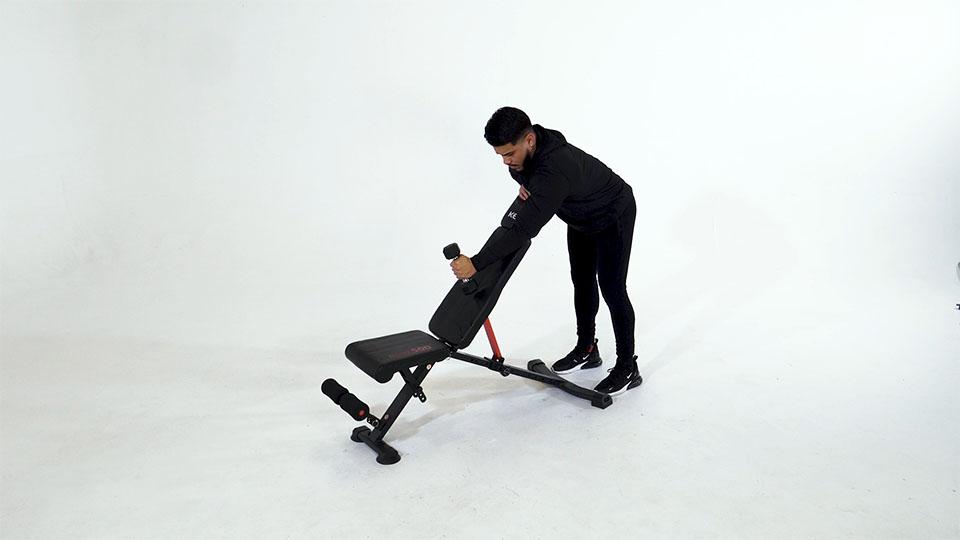
Dumbbell One-Arm Preacher Hammer Curl
Steps : 1.) Start by setting up a preacher bench and then position yourself behind the bench, with a dumbbell in one hand rested over the bench and feet flat on the floor. 2.) Hold the dumbbell in a neutral grip with your palms facing inward, then slowly lift the dumbbell up towards your shoulder, isolating the bicep and hold for a count. 3.) Return back to the starting position. 4.) Repeat for as many reps and sets as desired.
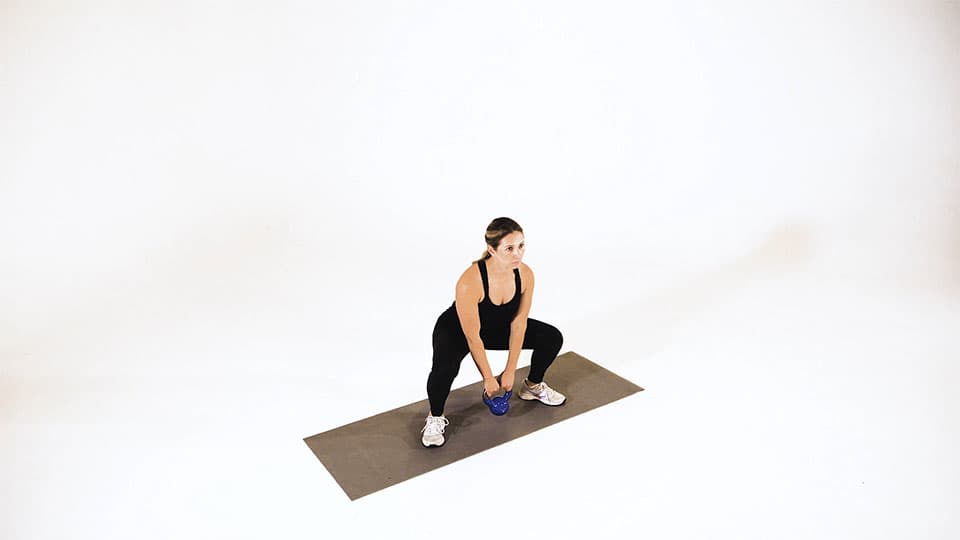
Kettlebell Sumo High Pull
Steps : 1.) To begin this exercise; start off by taking a kettlebell and keeping it in between your legs. 2.) Bend down as you would in a normal squat position but lower until you are in a sumo stance. 3.) Keeping your back and chest straight while bending your knees, pick up the kettlebell and extend your hips up while pulling the kettlebell upward. 4.) Raise your elbows in the process until they are at shoulder level 5.) Hold for a few seconds and return back to the starting position. 6.) Repeat this exercise for as many repetitions as needed.
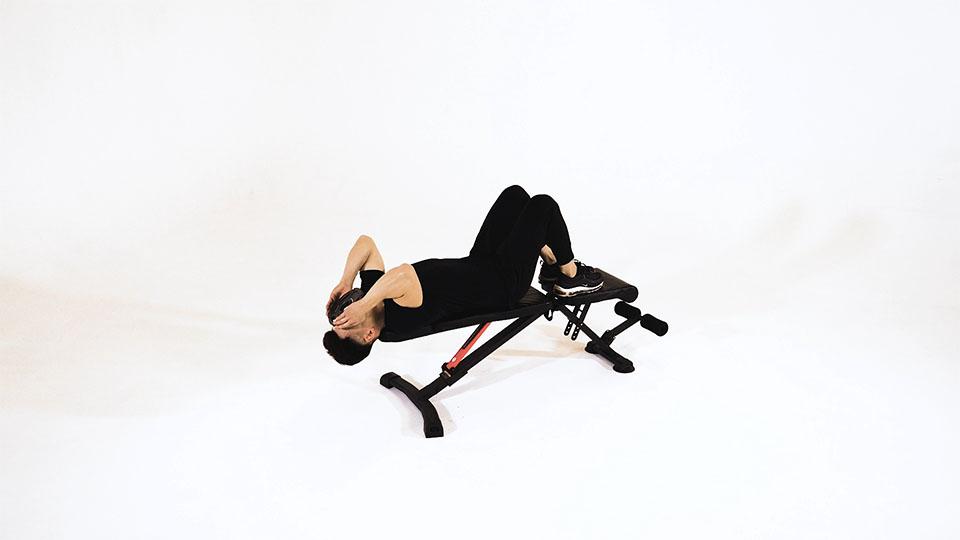
Weight Plate Neck Flexion (Supine)
Steps : 1.) To begin this exercise; start off by lying face up with your back on a flat bench holding a weight plate in front of your head. 2.) With the plate rested on the front your head, slowly lower your neck down squeezing your shoulders and keeping the plate pressed lightly to the head. 3.) Then return back up to the starting position. 4.) Repeat this exercise for as many repetitions as needed
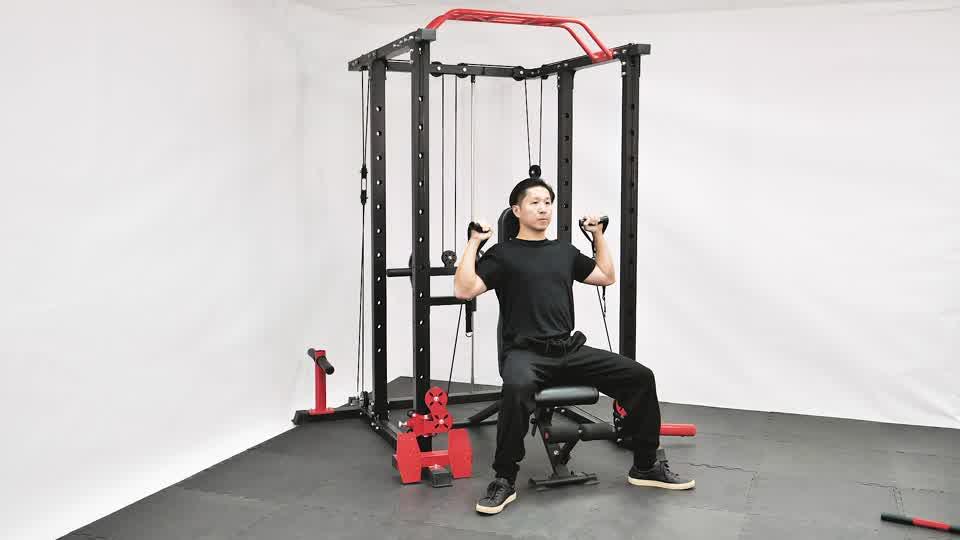
Cable Shoulder Press
Steps : 1.) Start by standing in between a low pulley cable machines with two cables attached to the machine. 2.) Bend down, grab the cables and then bring them to your shoulders as this will be your starting position. 3.) Keeping your back straight, head up and chest up, extend through your elbows and push the handles up towards the ceiling over your head and feel the stretch in your shoulders. 4.) Hold for a count at the top then return back to the starting position. 5.) Repeat for as many reps and sets as desired.
Workout Tips & Advice to
Elevate Your Fitness Journey
Before you hit the gym, take the time to define your fitness goals. Whether you're aiming to build muscle, lose weight, or improve endurance, having specific objectives will guide your training and keep you focused on your workouts.
Designing a structured workout plan is essential for maximizing your time in the gym. Incorporate a mix of cardiovascular workouts, strength training, and flexibility exercises to target different muscle groups and improve overall fitness levels.
Compound exercises, such as squats, deadlifts, and bench presses, engage multiple muscle groups simultaneously, making them highly effective for building strength and muscle mass. Prioritize compound movements in your workouts for optimal results.
To continue making progress, gradually increase the intensity, volume, or resistance of your workouts over time. Progressive overload challenges your muscles and forces them to adapt, leading to growth and strength gains with every workout.
Pay attention to how your body feels during and after workouts. Push yourself to work hard, but also know when to scale back or take a rest day if you're feeling fatigued or experiencing pain from your workouts.
Recovery is just as important as exercise itself. Make sure to get an adequate amount of sleep, fuel your body with nutritious foods, and incorporate rest days into your routine to allow your muscles time to recover and grow stronger after each workout session.
Proper hydration is crucial for maintaining energy levels, regulating body temperature, and supporting overall health. Aim to drink plenty of water throughout the day, especially before, during, and after workouts to optimize your workout performance.
Keep your workouts interesting and challenging by incorporating a variety of exercises, equipment, and training modalities. Experiment with different workout styles, such as high-intensity interval training (HIIT), circuit training, and yoga, to keep your body engaged and avoid workout monotony.
Consistency is key to seeing results. Make exercise a regular part of your routine by scheduling workouts at the same time each day and treating them like appointments you can't miss. Consistency in your workouts will help you achieve your fitness goals faster.
Keep a workout journal or use a fitness app like JEFIT to track your workouts, monitor your progress, and celebrate your achievements. Tracking your workouts helps you stay accountable and motivated, and allows you to see how far you've come on your fitness journey.
Always start your workouts with a thorough warm-up to prepare your body for exercise and reduce the risk of injury. Incorporate dynamic stretches, mobility drills, and light cardio to increase blood flow and loosen up tight muscles before starting your workouts.
Technique is crucial for preventing injuries and maximizing the effectiveness of your workouts. Always prioritize proper form over lifting heavier weights or performing more repetitions. If you're unsure about your form, consider working with a certified personal trainer to ensure you're performing exercises correctly.
In addition to intense workouts, incorporate restorative activities like yoga, stretching, or foam rolling into your routine to improve flexibility, mobility, and recovery. These activities can help reduce muscle soreness and prevent injuries, allowing you to perform better in your next workout session.
Find ways to stay motivated and inspired on your fitness journey. Set rewards for reaching milestones, enlist the support of a workout buddy or join a fitness community, and remind yourself of why you started in the first place. Staying motivated will help you stay consistent with your workouts and achieve your fitness goals.
Rome wasn't built in a day, and neither is a strong, healthy body. Be patient with yourself and trust the process. Results take time, so stay consistent, stay positive, and keep pushing forward with your workouts, knowing that your hard work will pay off in the end.
Picture yourself achieving your fitness goals and visualize the steps you need to take to get there. Visualization can help increase motivation, focus, and confidence, making it easier to stay on track and overcome obstacles in your workouts and fitness journey.
Jefit Exercise Database
Explore our extensive collection of workout plans and routines tailored to your fitness goals. Find the perfect routine to elevate your workout experience.
555k
Routines
20M
Downloads
216k
Contributors